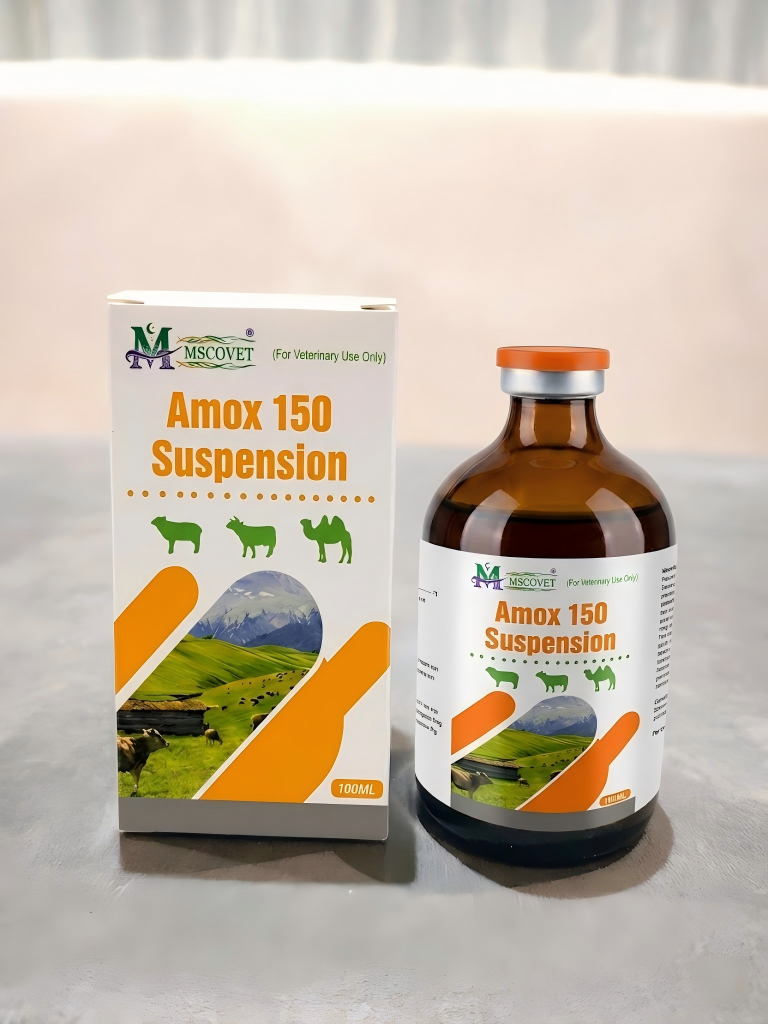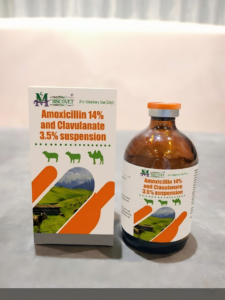
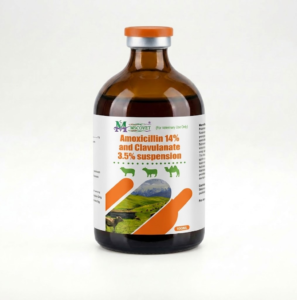
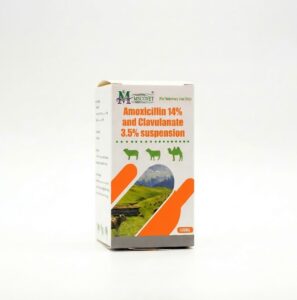
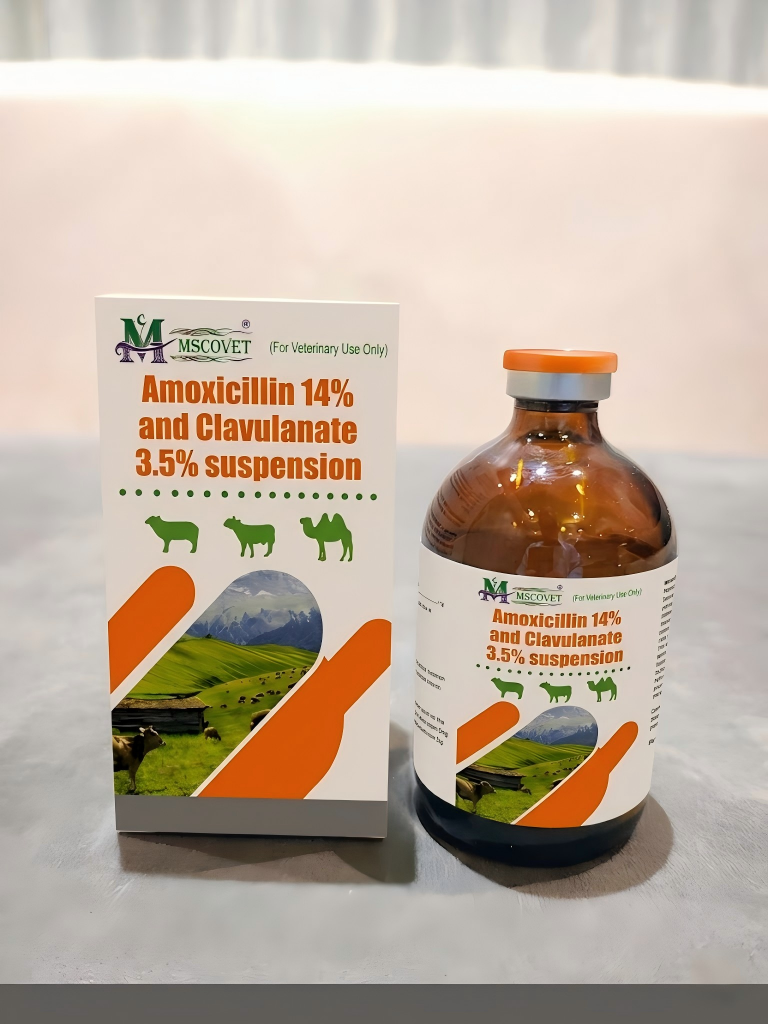
Product Summary
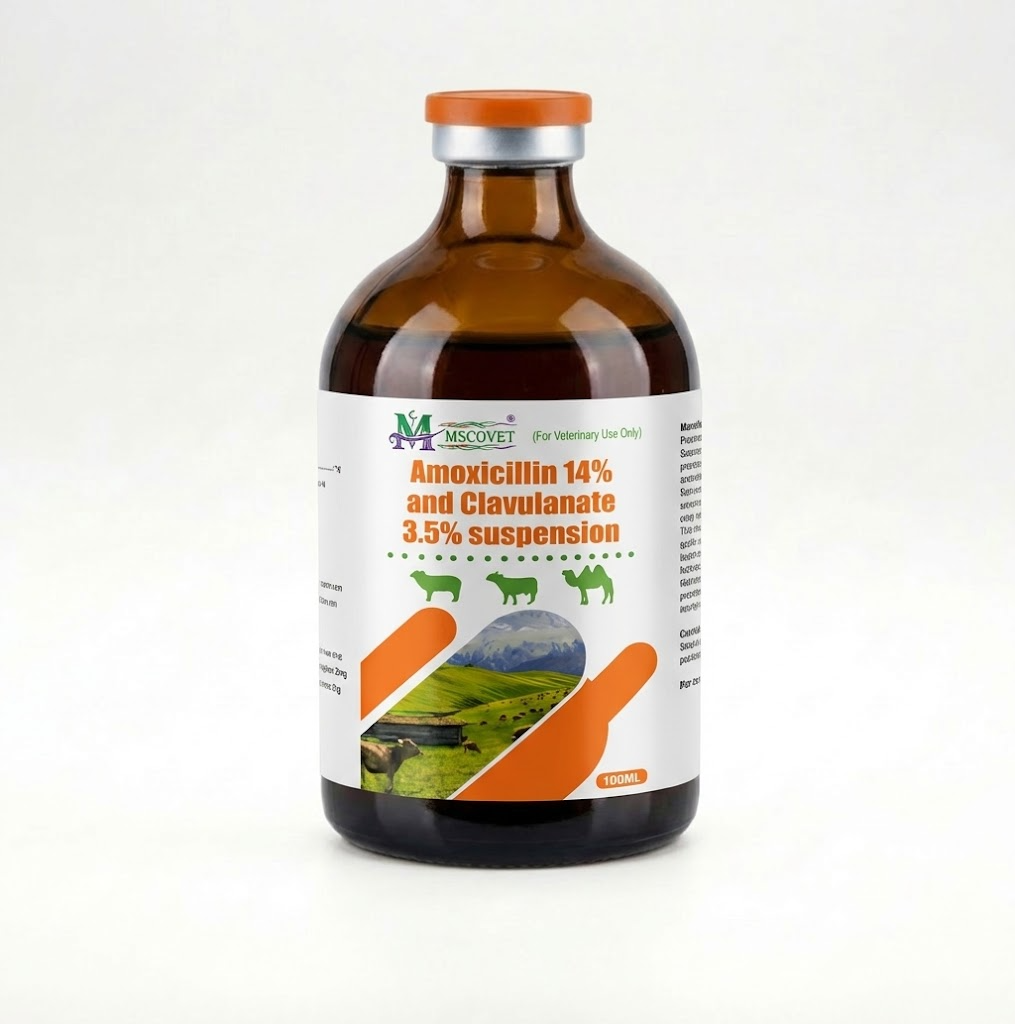
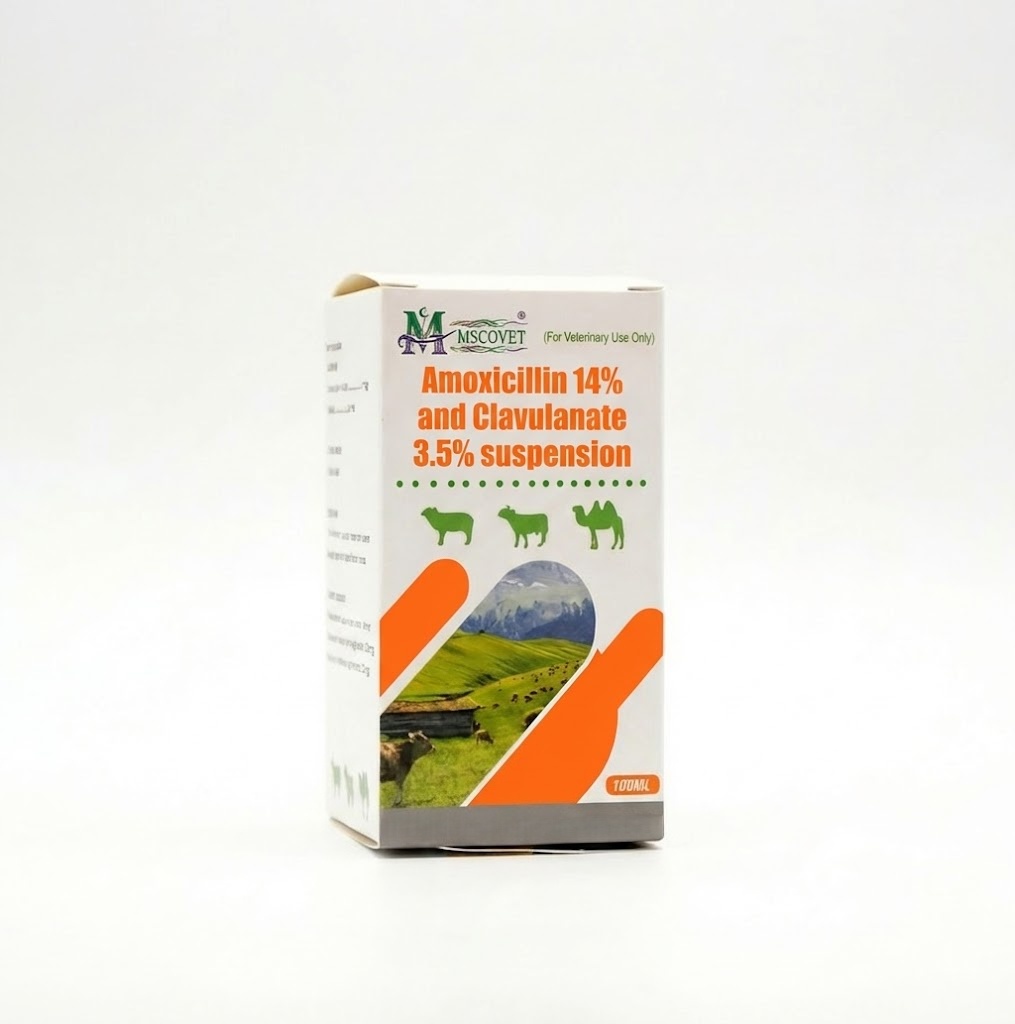
Amoxicillin 14% and Clavulanate 3.5% Suspension is a broad-spectrum veterinary antibiotic injection used for the treatment of bacterial infections in cattle, pigs, dogs, and cats. The combination of amoxicillin and clavulanic acid helps improve antibacterial activity against beta-lactamase-producing bacteria resistant to amoxicillin alone.
Key Benefits
✔ Broad-spectrum antibacterial combination
✔ Effective against beta-lactamase-producing bacteria
✔ Suitable for both large and small animals
✔ Commonly used for respiratory, skin, and urinary infections
✔ Stable veterinary suspension formulation
✔ GMP-manufactured export-quality product
✔ Suitable for veterinary distributor supply
✔ OEM / ODM packaging support available
Recommended Usage Scenarios
- Commercial cattle farms
- Swine production farms
- Veterinary clinics
- Companion animal treatment
- Respiratory infection management
- Skin infection treatment
- Urinary tract infection management
- Veterinary distributor supply
Product Details
Composition
Each ml contains:
- Amoxicillin (as amoxicillin trihydrate) — 140 mg
- Clavulanic acid (as potassium clavulanate) — 35 mg
- Excipients — up to 1 ml
Product Description
Amoxicillin 14% and Clavulanate 3.5% Suspension combines a penicillin antibiotic with a beta-lactamase inhibitor to improve antibacterial effectiveness against resistant bacterial strains.
Amoxicillin works by inhibiting bacterial cell wall formation, while clavulanic acid protects amoxicillin from destruction by beta-lactamase enzymes produced by certain bacteria.
In practical farm situations, this combination is often selected when standard amoxicillin treatment alone may not provide sufficient bacterial control.
The product is commonly used for bacterial respiratory, skin, urinary, and soft tissue infections in both livestock and companion animals.
Target Animals
- Cattle
- Pigs
- Dogs
- Cats
Indications
The product has bactericidal activity against a broad spectrum of clinically important bacteria found in large and small animals.
It is commonly used for:
- Respiratory infections
- Lung infections
- Skin infections
- Urinary tract infections
- Soft tissue infections
- Ear infections
- Sinus infections
The combination is particularly useful against bacteria resistant to amoxicillin alone because of beta-lactamase production.
Dosage and Administration
Administration Route
- Intramuscular injection in cattle and pigs
- Intramuscular or subcutaneous injection in dogs and cats
Recommended Dosage
8.75 mg/kg body weight daily for 3–5 days.
Equivalent dosage:
- 1 ml per 20 kg body weight
Administration Notes
- Shake the vial well before use
- Massage the injection site after administration
- Use sterile injection equipment
- Follow proper injection hygiene procedures
On many farms, I often see injection-site management ignored completely. Good injection technique can greatly improve absorption and reduce local tissue reactions.
Contraindications
Do not administer to:
- Rabbits
- Guinea pigs
- Hamsters
- Gerbils
Use cautiously in other very small herbivores.
Withdrawal Period
| Product | Withdrawal Time |
|---|---|
| Milk | 60 hours |
| Meat (Cattle) | 42 days |
| Meat (Pigs) | 31 days |
Withdrawal periods should always be respected carefully before products enter the food chain.
How Withdrawal Periods Affect Meat and Milk Safety
Storage
- Store below 25°C
- Protect from excessive heat
- Keep out of reach of children
- Store in a dry place away from direct sunlight
In hot-climate livestock regions, protecting suspension products from heat exposure is very important for maintaining product stability.
How to Store Veterinary Medicines in Hot Climates
Shelf Life
- 24 months
Precautions
- Shake well before use
- Follow correct dosage calculations
- Use sterile injection equipment
- Respect withdrawal periods carefully
- Avoid unnecessary antibiotic overuse
- Do not use against viral infections
Responsible antibiotic use is becoming increasingly important in modern livestock production systems.
Poor farm ventilation, stress, overcrowding, and weak hygiene systems often increase bacterial disease pressure on farms.
Common Antibiotic Mistakes on Livestock Farms
FAQ
Why is clavulanic acid combined with amoxicillin?
Clavulanic acid helps protect amoxicillin from bacterial beta-lactamase enzymes, improving effectiveness against resistant bacteria.
Can this product be used for respiratory infections?
Yes. It is commonly used for bacterial respiratory infections in cattle, pigs, dogs, and cats.
Why should the vial be shaken before use?
Suspension products may settle during storage. Shaking helps maintain uniform concentration before injection.
Can this product treat viral infections?
No. Antibiotics are only effective against bacterial infections and should not be used for viral diseases.
Why are withdrawal periods important?
Withdrawal periods help prevent antibiotic residues from entering meat and milk intended for human consumption.
Related Veterinary Knowledge
Related Products
- Amox-Genta 190 Suspension
- Oxytetracycline 20% LA Injection
- Penstrep 2020 Suspension
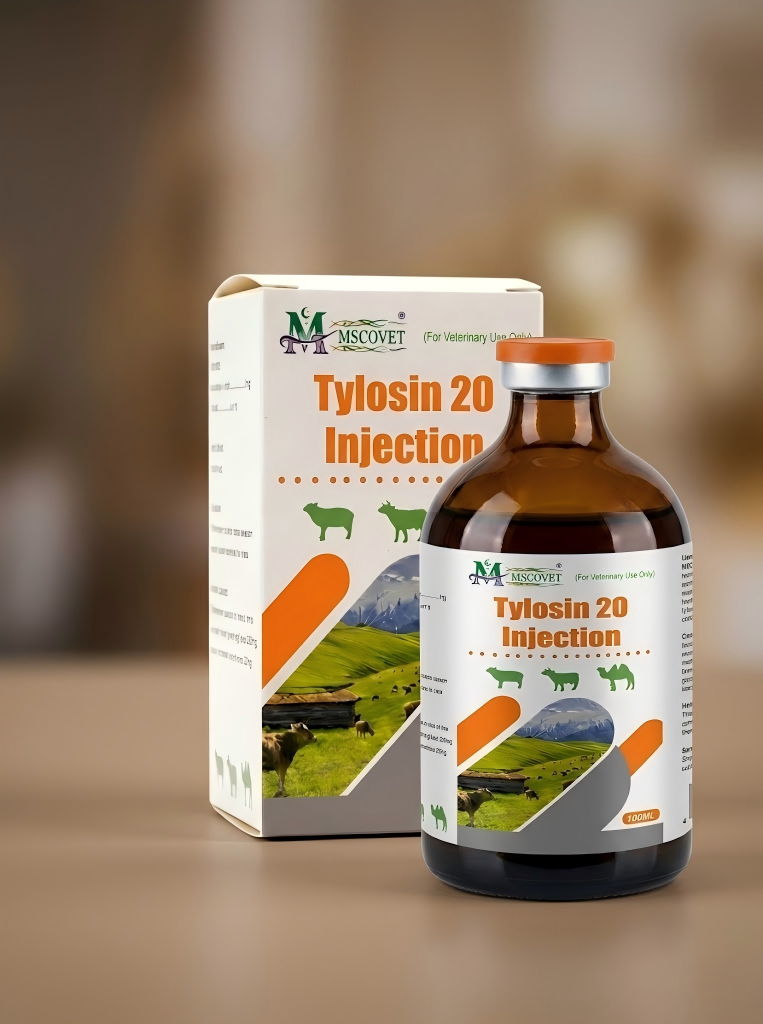
- Tylosin 20 Injection
- Ceftiofur Hydrochloride Injection