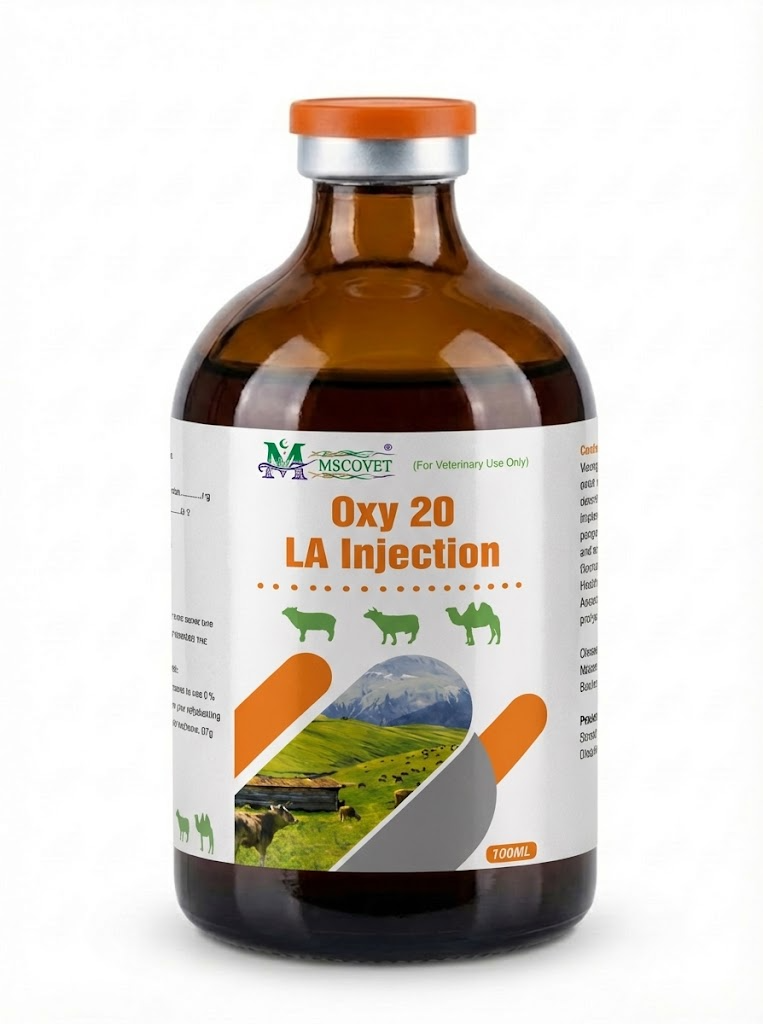
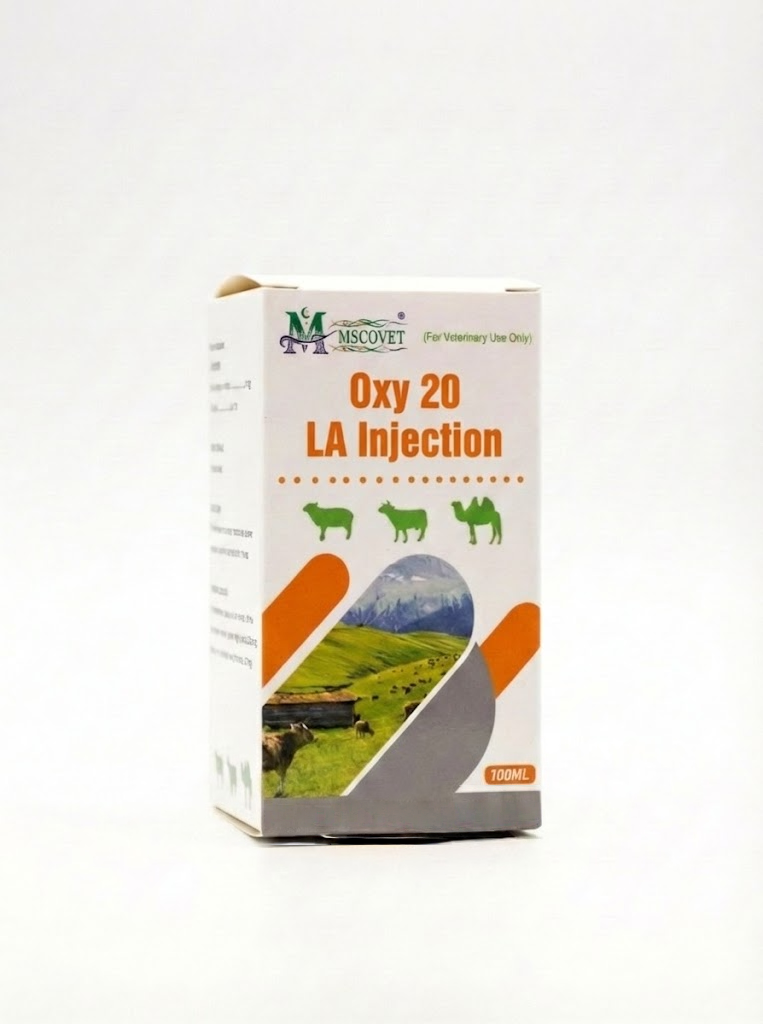
Product Summary
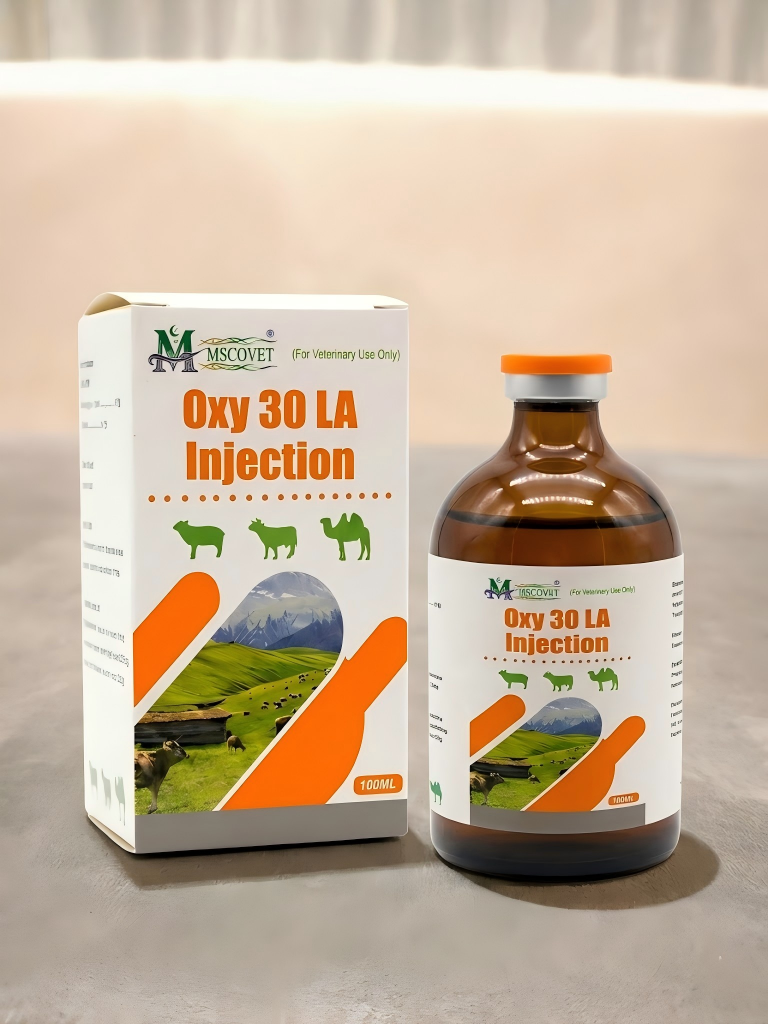
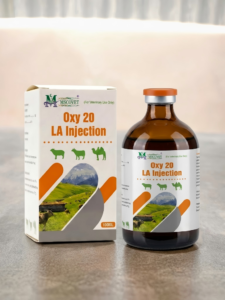
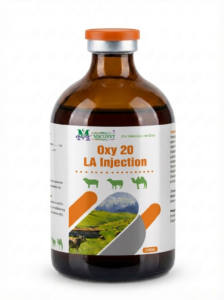
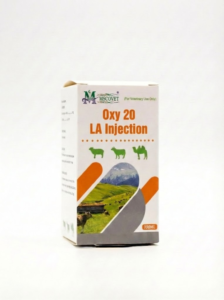
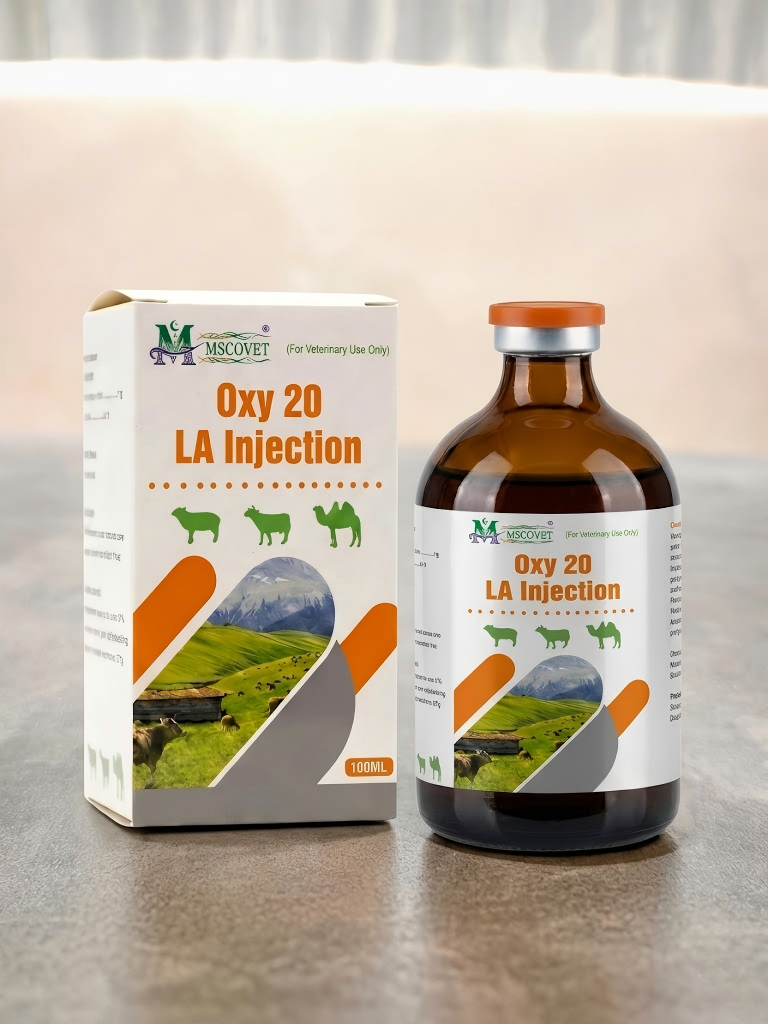
Oxy 20 LA Injection is a long-acting oxytetracycline veterinary antibiotic injection used for the treatment of respiratory, gastrointestinal, and systemic bacterial infections in cattle, calves, horses, sheep, goats. It is commonly applied for infections caused by oxytetracycline-sensitive bacteria including Pasteurella, E. coli, Salmonella, Mycoplasma, and Streptococcus species.
Key Benefits
✔ High-concentration long-acting oxytetracycline formulation
✔ Broad-spectrum tetracycline antibiotic
✔ Effective against respiratory and gastrointestinal infections
✔ Suitable for multiple livestock species
✔ Long-lasting antibacterial activity
✔ Practical solution for commercial livestock farms
✔ Stable veterinary injectable formulation
✔ GMP-manufactured export-quality product
✔ OEM / ODM packaging support available
Recommended Usage Scenarios
- Commercial cattle farms
- Feedlot respiratory disease management
- Sheep and goat bacterial infection treatment
- Gastrointestinal infection treatment
- Arthritis management
- Mycoplasma infection control
- Veterinary distributor supply
- Intensive livestock production systems
Product Details
Composition
Each ml contains:
- Oxytetracycline — 200 mg
- Solvents ad — up to 1 ml
Product Description
Oxy 20 LA Injection contains oxytetracycline, a tetracycline-class veterinary antibiotic with broad-spectrum bacteriostatic activity against many Gram-positive and Gram-negative bacteria.
Oxytetracycline works by inhibiting bacterial protein synthesis, helping control respiratory, gastrointestinal, and systemic bacterial infections commonly found in livestock production systems.
On many farms, respiratory disease outbreaks often increase during periods of transportation stress, overcrowding, poor ventilation, sudden weather changes, or weak farm sanitation systems.
This long-acting formulation is widely used because one injection can provide antibacterial activity for approximately two days, helping improve treatment efficiency and reduce handling stress on livestock farms.
Target Animals
- Cattle
- Calves
- Horses
- Sheep
- Goats
Indications
Used for treatment of arthritis, respiratory infections, and gastrointestinal infections caused by oxytetracycline-sensitive microorganisms including:
- Bordetella spp.
- Campylobacter spp.
- Chlamydia spp.
- Escherichia coli (E. coli)
- Haemophilus spp.
- Mycoplasma spp.
- Pasteurella spp.
- Rickettsia spp.
- Salmonella spp.
- Staphylococcus spp.
- Streptococcus spp.
Commonly used for:
- Pneumonia
- Respiratory disease
- Enteritis
- Gastrointestinal bacterial infections
- Arthritis
- Mixed bacterial infection management
Dosage and Administration
Administration Route
For intramuscular administration only.
Recommended Dosage
| Animal | Dosage |
|---|---|
| Cattle | 3–5 ml / 100 kg body weight |
| Calves | 3–5 ml / 100 kg body weight |
| Horses | 3–5 ml / 100 kg body weight |
| Sheep | 2–3 ml / 50 kg body weight |
| Goats | 2–3 ml / 50 kg body weight |
Administration Notes
- Use sterile injection equipment
- Rotate injection sites properly
- Maintain proper injection hygiene
- Follow dosage recommendations carefully
On many livestock farms, early treatment combined with good ventilation and farm hygiene often improves recovery and reduces infection spread significantly.
Side Effects
Possible side effects may include:
- Local reactions after intramuscular injection
- Temporary injection-site irritation
- Tooth discoloration in young animals
Most local reactions disappear within a few days.
Withdrawal Period
| Product | Withdrawal Time |
|---|---|
| Meat | 28 days |
| Milk | 7 days |
Withdrawal periods should always be respected carefully before animal products enter the food chain.
How Withdrawal Periods Affect Meat and Milk Safety
Storage
- Store below 30°C
- Protect from light
- Store at room temperature
- Keep out of reach of children
Proper storage conditions are especially important in hot-climate livestock regions to maintain veterinary medicine stability and antibacterial effectiveness.
How to Store Veterinary Medicines in Hot Climates
Precautions
- Use only under veterinary guidance
- Avoid overdosing
- Respect withdrawal periods carefully
- Use sterile injection equipment
- Monitor animals for adverse reactions
Good farm sanitation, stress reduction, ventilation improvement, and clean drinking water systems are also important for reducing bacterial disease outbreaks in livestock operations.
Common Antibiotic Mistakes on Livestock Farms
FAQ
What infections can Oxy 20 LA Injection treat?
It is commonly used for respiratory, gastrointestinal, arthritis, and systemic bacterial infections caused by oxytetracycline-sensitive bacteria.
Why is long-acting oxytetracycline useful on farms?
Long-acting formulations reduce injection frequency and help improve treatment efficiency in commercial livestock production systems.
Can this product be used for pneumonia?
Yes. It is commonly used for respiratory infections and pneumonia associated with susceptible bacteria.
Why can tooth discoloration occur in young animals?
Tetracycline antibiotics may affect developing teeth during treatment in young animals.
Why are withdrawal periods important?
Withdrawal periods help prevent antibiotic residues from remaining in meat and milk intended for human consumption.
Related Veterinary Knowledge
Related Products
- Oxy 10 LA Injection
- Oxy 5 LA Injection
- Doxycycline Hyclate Injection 10%
- Enro 10 Injection
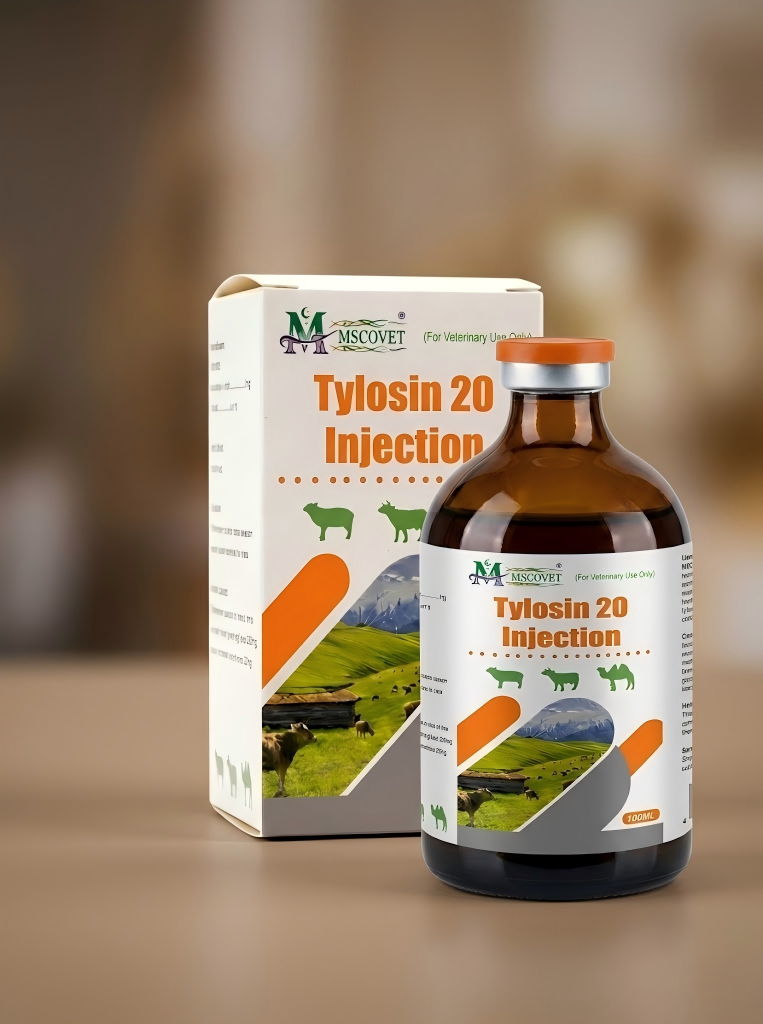
- Tylosin 20 Injection