How Withdrawal Periods Affect Meat and Milk Safety
Quick Answer
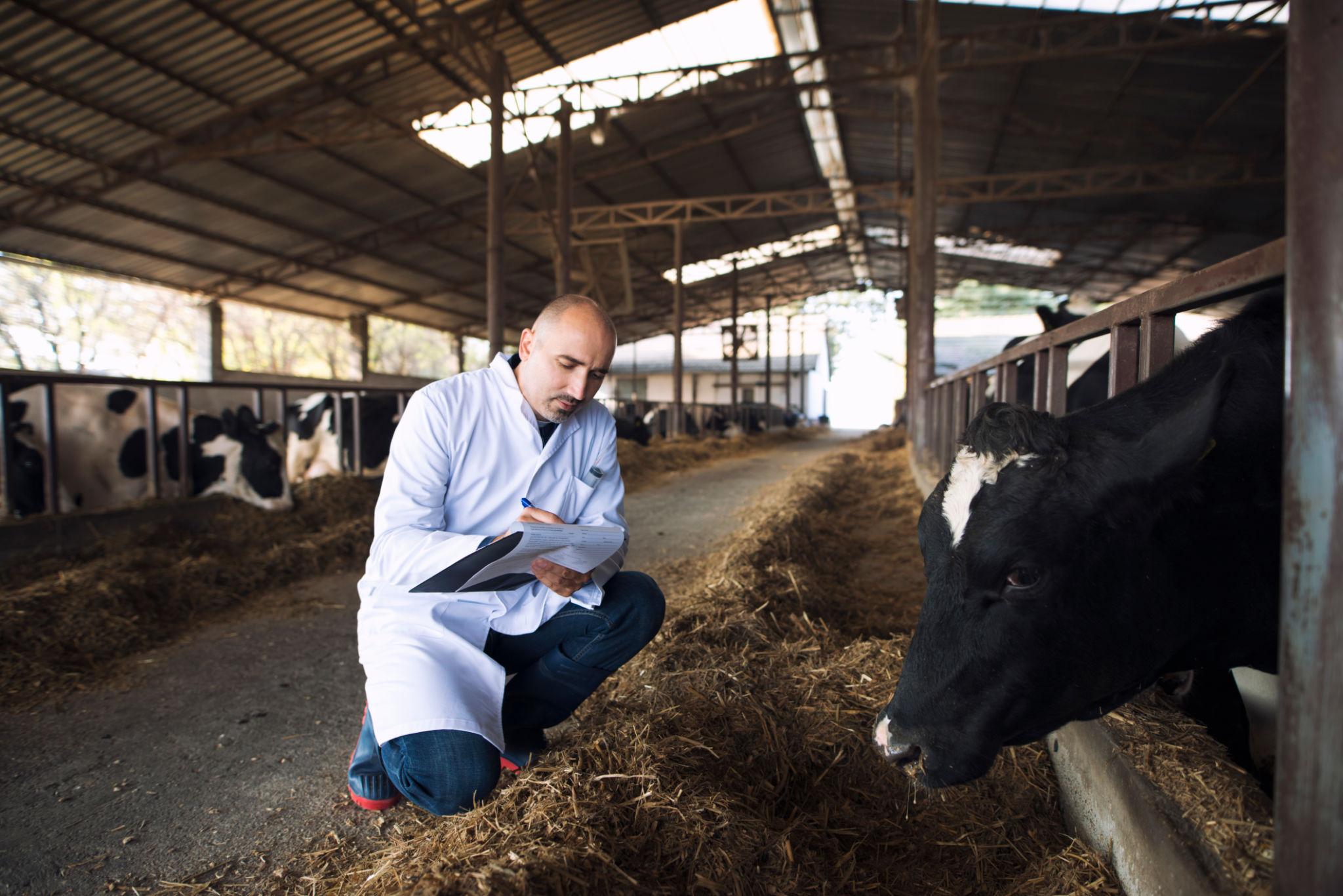
Withdrawal periods are the required waiting times after using veterinary medicines before animals can safely produce meat or milk for human consumption. These waiting periods help reduce harmful drug residues in food products and protect public health, export compliance, and farm reputation.
Real Farm Context Introduction
Several years ago, I visited a dairy farm in East Africa after the owner received repeated complaints from a milk collection company.
The cows looked healthy.
Milk production was normal.
But laboratory testing showed antibiotic residues inside the milk tank.
Later, we discovered the problem was very simple. One treated cow returned to the milking group too early after receiving long-acting oxytetracycline injections.
Situations like this are more common than many people think.
On busy farms, workers often focus on treatment and animal recovery, but forget that veterinary medicines may remain inside the body long after visible symptoms disappear.
That is exactly why withdrawal periods are so important in modern livestock production systems.
Why Are Withdrawal Periods Important?
Short Introduction
Withdrawal periods are one of the most important food safety controls in livestock farming.
Snippet Paragraph
Withdrawal periods are important because veterinary medicines can remain inside animal tissues and milk after treatment. Waiting the correct amount of time helps prevent harmful drug residues from entering the human food chain.
In my experience, many farmers misunderstand one important point:
Animal recovery does not mean medicine elimination.
A cow may look healthy again while small amounts of antibiotics still remain inside:
- muscle tissue
- milk
- liver
- kidneys
- fat tissue
This is especially common with:
- long-acting injections
- repeated dosing
- oily suspensions
- overdose situations
Some veterinary medicines stay inside the body much longer than others.
For example:
| Product | Meat Withdrawal | Milk Withdrawal |
|---|---|---|
| Oxy 20 LA Injection | 28 days | 7 days |
| Tylosin 20 Injection | 10 days | 3 days |
| Penstrep 2020 Suspension | 21 days | 3 days |
| Ceti 50 Suspension | 8 days | Zero hours |
The differences are very significant.
Many farms now use:
- treatment boards
- colored ear tags
- marker sprays
- separate milk groups
to avoid accidental mixing.
Simple systems often prevent very expensive mistakes.
Modern export markets are becoming increasingly strict about:
- antibiotic residues
- food traceability
- livestock treatment records
- milk safety testing
This means withdrawal management is no longer only a veterinary issue.
It is also:
- a business issue
- a food safety issue
- a legal issue
- and a trust issue
How Do Veterinary Drug Residues Stay Inside Animals?
Short Introduction
Different medicines leave the animal’s body at different speeds.
Snippet Paragraph
Veterinary drug residues stay inside animals because medicines require time to be metabolized and eliminated naturally through urine, feces, milk, and body tissues. Long-acting injections usually require longer withdrawal periods.
Farmers often ask me:
“If the fever disappeared already, why must we still wait?”
The answer is simple.
Clinical improvement and chemical elimination are not the same thing.
When medicines enter the body, they move through the bloodstream and tissues before the body can gradually break them down and remove them.
Several factors influence how long residues remain:
1. Medicine Formulation
Long-acting products are designed to release slowly over time.
For example:
- Oxy 20 LA Injection
- Oxy 30 LA Injection
- Penicillin suspensions
- Tilmicosin injections
These products intentionally stay active longer inside the animal.
That helps treatment.
But it also increases withdrawal time.
2. Animal Health Condition
Animals with:
- liver stress
- kidney problems
- dehydration
- severe infection
may remove medicines more slowly.
This is something many farms forget.
3. Incorrect Dosage
Some farmers believe:
“More medicine means faster recovery.”
Actually, overdosing often creates:
- longer residues
- tissue irritation
- injection site damage
- delayed elimination
4. Repeated Treatments
Repeated injections over several days may extend withdrawal periods further.
This is very common in severe respiratory disease treatment.
What Happens If Farms Ignore Withdrawal Periods?
Short Introduction
Ignoring withdrawal periods can create serious consequences for farms and distributors.
Snippet Paragraph
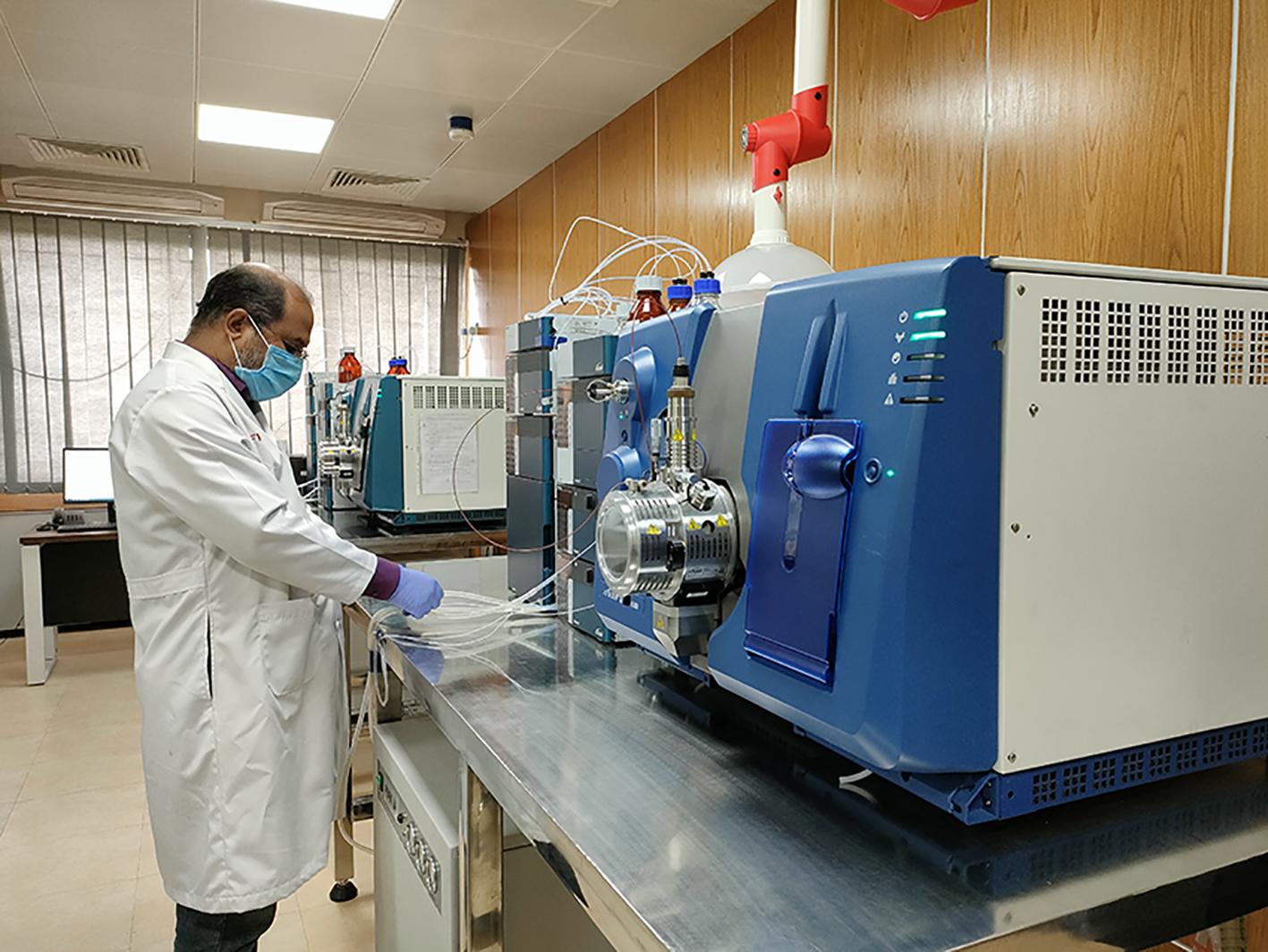
When farms ignore withdrawal periods, drug residues may enter meat and milk products. This can lead to food safety risks, export rejection, financial losses, and damage to long-term customer trust.
Many people think residue problems only affect export companies.
Actually, local farms also suffer serious losses.
I once worked with a distributor whose customer lost a major milk supply contract because antibiotic residues were detected repeatedly during random testing.
The problem was not bad medicine.
The problem was poor management.
Common Consequences
Milk Rejection
Dairy processors often reject contaminated milk immediately.
This causes:
- direct financial loss
- transportation waste
- buyer complaints
- damaged farm reputation
Meat Export Rejection
Many importing countries now perform strict residue testing before customs clearance.
One failed test can cause:
- shipment delays
- product destruction
- legal problems
- customer distrust
Antimicrobial Resistance Concerns
This issue is becoming more important globally.
Long-term exposure to low antibiotic residues may contribute to antimicrobial resistance development.
That is why governments are increasing surveillance programs.
Common Farm Mistakes
Poor Record Keeping
Workers forget:
- treatment dates
- injection timing
- medicine names
- withdrawal calculations
Mixing Treated Animals
Sometimes treated animals accidentally return too early to:
- slaughter groups
- milking groups
- export preparation groups
Ignoring Product Labels
Different medicines have completely different withdrawal periods.
For example:
- Tilmicosin Injection requires 60 days meat withdrawal in cattle.
- Sulfadiazine + TMP Injection may require 48 hours milk withdrawal.
- Cefquinome products may require only 3 days for meat.
Without proper label reading, mistakes happen easily.
How Can Farms Manage Withdrawal Periods Correctly?
Short Introduction
Good withdrawal management depends mostly on consistency and organization.
Snippet Paragraph
Farms can manage withdrawal periods correctly by keeping treatment records, identifying treated animals clearly, following dosage instructions carefully, and training workers regularly.
The best farms I visit usually use very simple systems.
Not expensive software.
Not complicated technology.
Just clear routines followed consistently.
Practical Management Methods
| Farm Practice | Benefit |
|---|---|
| Record all treatments | Prevents confusion |
| Use animal identification tags | Reduces mixing mistakes |
| Follow label dosage | Reduces residue risk |
| Separate treated animals | Improves milk safety |
| Train workers regularly | Reduces human error |
Label Instructions Matter
Every veterinary medicine has different:
- dosage instructions
- administration routes
- withdrawal times
- storage requirements
For example:
| Product | Meat Withdrawal | Milk Withdrawal |
|---|---|---|
| Amox-Genta 190 Suspension | 30 days | 2 days |
| Doxycycline Injection 10% | 28 days | Not specified |
| SUFA 33 | 10 days | 4 days |
| Tylosin 20 Injection | 10 days | 3 days |
The differences are important.
Proper Storage Also Matters
Poor storage conditions may affect:
- medicine stability
- treatment effectiveness
- product safety
This is especially important in hot climates like:
- Africa
- Middle East
- tropical livestock regions
Many veterinary products require:
- protection from sunlight
- cool dry storage
- temperature below 25–30°C
How to Store Veterinary Medicines in Hot Climates
Why GMP Manufacturing Also Affects Withdrawal Reliability
Short Introduction
Stable manufacturing quality helps improve treatment consistency and withdrawal reliability.
Snippet Paragraph
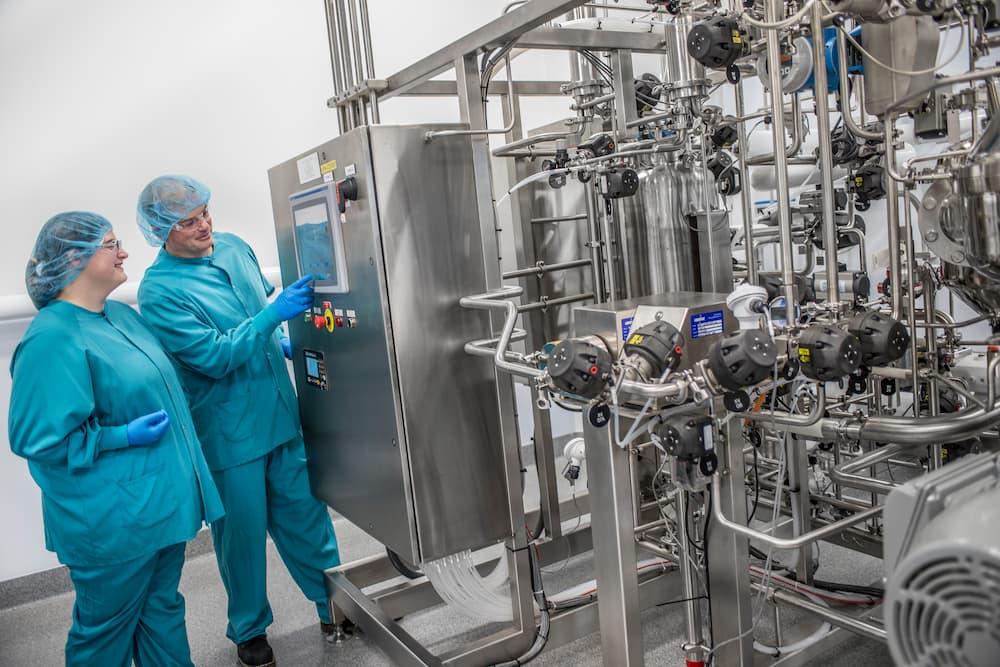
Professional GMP manufacturing helps ensure veterinary medicines maintain stable formulation quality, accurate concentrations, and predictable withdrawal behavior under proper usage conditions.
Many people only think about the farm side.
But pharmaceutical manufacturing quality is also very important.
Stable GMP production helps provide:
- consistent concentration
- reliable formulation
- predictable absorption
- stable product performance
This becomes especially important for:
- long-acting suspensions
- oily injections
- antibiotic combinations
- heat-sensitive products
Low-quality manufacturing may create:
- inconsistent active ingredients
- unstable suspension quality
- poor absorption
- unpredictable residues
That is one reason why professional distributors increasingly prefer stable long-term manufacturing partners instead of constantly changing suppliers based only on price.
For export markets, consistency matters much more than cheap pricing.
Modern veterinary buyers increasingly care about:
- GMP systems
- quality control
- batch consistency
- export documentation
- pharmaceutical professionalism
This is particularly true in:
- government tenders
- distributor networks
- large dairy operations
- commercial cattle farms
How GMP Manufacturing Improves Veterinary Medicine Safety
FAQ
What is a withdrawal period in veterinary medicine?
A withdrawal period is the required waiting time after using veterinary medicine before meat or milk can safely enter the human food chain.
Why do antibiotics require withdrawal periods?
Antibiotics may remain inside animal tissues and milk after treatment. The withdrawal period allows the animal’s body to remove these residues safely.
Can milk be sold during withdrawal periods?
No. Milk from treated animals should not be sold or consumed until the withdrawal period has fully ended.
Do all veterinary medicines have the same withdrawal period?
No. Different medicines, dosages, formulations, and animal species all have different withdrawal requirements.
Why do long-acting injections usually require longer withdrawal times?
Long-acting injections release medicine slowly inside the body, so residues remain longer in tissues and milk.
What happens if withdrawal periods are ignored?
Ignoring withdrawal periods may lead to food safety problems, export rejection, financial losses, and damage to farm reputation.
Related Veterinary Knowledge
- How to Store Veterinary Medicines in Hot Climates
- Common Antibiotic Mistakes on Cattle Farms
- Farm Biosecurity and Disease Prevention
Related Veterinary Products
- Oxy 20 LA Injection
- Oxy 30 LA Injection
- Tylosin 20 Injection
- Penstrep 2020 Suspension
- Amox-Genta 190 Suspension
- Sulfadiazine Sodium + TMP Injection
Conclusion
Withdrawal periods are not just technical instructions on veterinary labels. They protect food safety, farm reputation, export reliability, and long-term customer trust. In modern livestock production, proper withdrawal management has become one of the most important parts of responsible veterinary practice.