How to Store Veterinary Medicines in Hot Climates
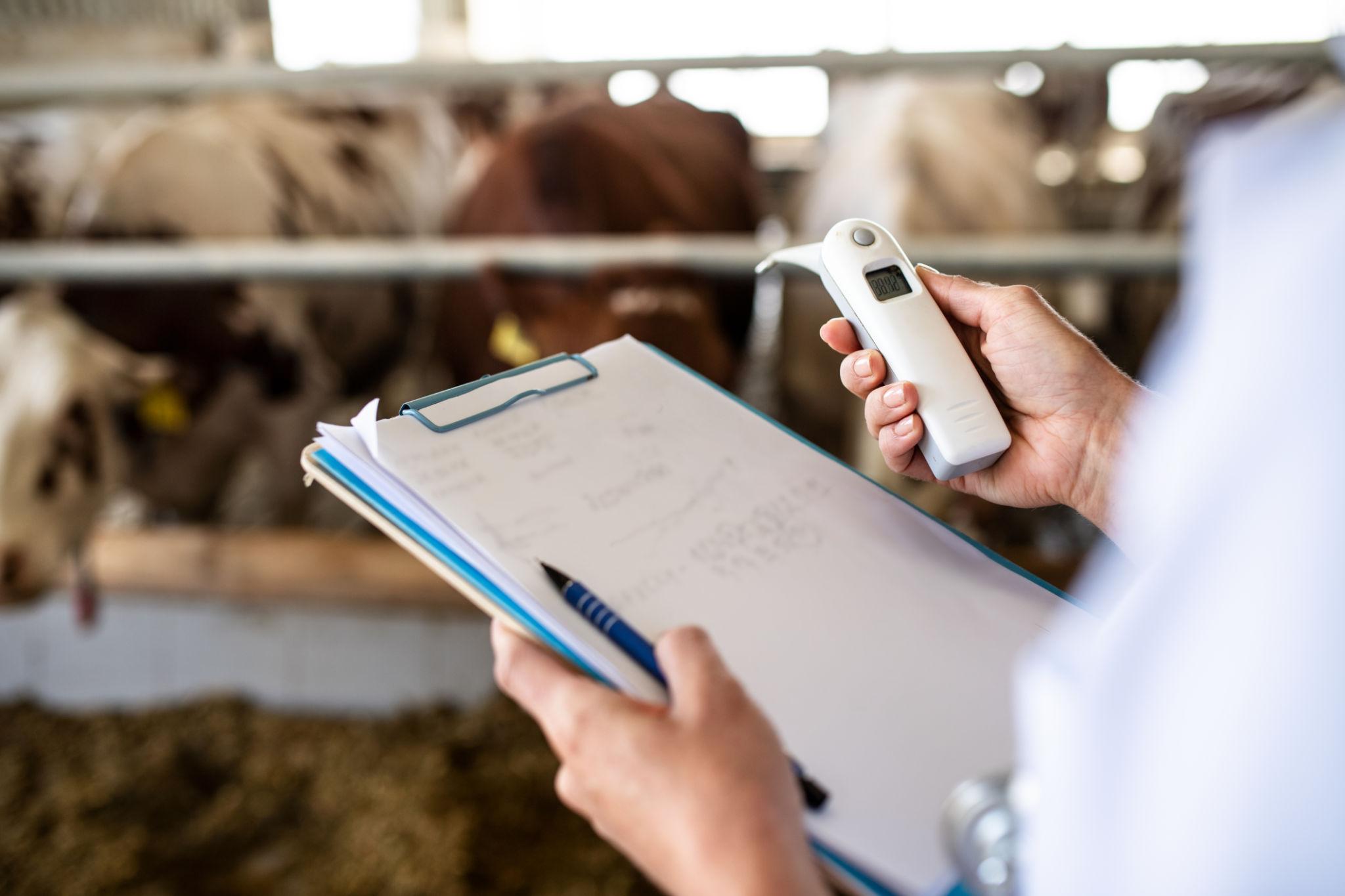
Quick Answer
Veterinary medicines should be stored in cool, dry, and protected environments away from sunlight and excessive heat. In hot climates, poor storage conditions may reduce medicine stability, weaken treatment effectiveness, and increase product safety risks on farms.
Real Farm Context Introduction
A farm owner in West Africa once showed me several bottles of oxytetracycline stored inside a pickup truck parked under direct sunlight.
The temperature inside the vehicle felt extremely hot.
Later, he complained that treatments were no longer working properly.
In many developing livestock regions, farmers focus heavily on buying medicines, but storage conditions are often ignored completely.
This becomes a serious problem during hot seasons.
Veterinary medicines are pharmaceutical products.
They are not designed to survive extreme temperatures, humidity, and sunlight for long periods without protection.
Over the years, I have seen many treatment failures caused not by poor medicines, but by poor storage management.
Why Is Proper Veterinary Medicine Storage Important?
Short Introduction
Storage conditions directly affect veterinary medicine stability and treatment reliability.
Snippet Paragraph
Proper veterinary medicine storage helps maintain product stability, effectiveness, and safety. Excessive heat, humidity, and sunlight may damage active ingredients and reduce treatment performance on livestock farms.
Many farmers think:
“If the bottle still looks normal, the medicine must still be good.”
Unfortunately, that is not always true.
Veterinary medicines contain active pharmaceutical ingredients that can gradually break down under poor environmental conditions.
High temperatures may affect:
- antibiotic stability
- vitamin potency
- suspension consistency
- preservative systems
- product sterility
This becomes especially important in regions where daytime temperatures regularly exceed:
- 35°C
- 40°C
- or even higher
In some African and Middle Eastern regions, I have seen veterinary medicines stored:
- inside metal containers
- near generators
- beside farm machinery
- under direct sunlight
- inside overheated warehouses
These conditions may seriously affect product quality.
For example:
| Product Type | Common Storage Risk |
|---|---|
| Injectable suspensions | Separation and instability |
| Water soluble powders | Moisture absorption |
| Vitamins | Heat degradation |
| Antibiotics | Reduced effectiveness |
| Biological products | Severe temperature sensitivity |
Good storage practices help improve:
- treatment consistency
- animal recovery
- distributor trust
- export reliability
- long-term farm management
Withdrawal Periods and Food Safety
How Does Heat Affect Veterinary Medicines?
Short Introduction
High temperatures can slowly damage pharmaceutical ingredients.
Snippet Paragraph
Heat may reduce veterinary medicine stability by damaging active ingredients, changing suspension consistency, weakening preservatives, and reducing treatment effectiveness during livestock disease management.
One important thing many livestock owners do not realize is this:
Pharmaceutical products are chemically sensitive.
Even when bottles appear normal externally, internal chemical changes may already be happening.
1. Reduced Antibiotic Stability
Many antibiotics become less stable under continuous heat exposure.
This may lead to:
- weaker treatment response
- incomplete bacterial control
- repeated infections
- increased treatment costs
I often see this problem during long transportation periods where products remain inside extremely hot trucks for many hours.
2. Suspension Separation
Injectable suspensions are particularly sensitive.
Products like:
- Penstrep Suspension
- Oxy LA Injection
- Amox-Genta Suspension
may experience:
- sediment hardening
- uneven concentration
- difficult shaking
- inconsistent dosing
That is one reason many injectable suspension labels clearly say:
“Shake well before use.”
3. Moisture Damage
Water soluble powders stored in humid conditions may absorb moisture quickly.
This can create:
- clumping
- reduced solubility
- microbial contamination risks
- packaging damage
In tropical climates, humidity is sometimes a bigger problem than temperature itself.
4. Packaging Deformation
Excessive heat may also affect:
- labels
- bottle seals
- rubber stoppers
- carton quality
- plastic packaging
Poor packaging conditions can reduce customer confidence immediately.
For export distributors, packaging appearance matters a lot.
What Are Common Storage Mistakes on Farms?
Short Introduction
Many storage problems come from simple daily management mistakes.
Snippet Paragraph
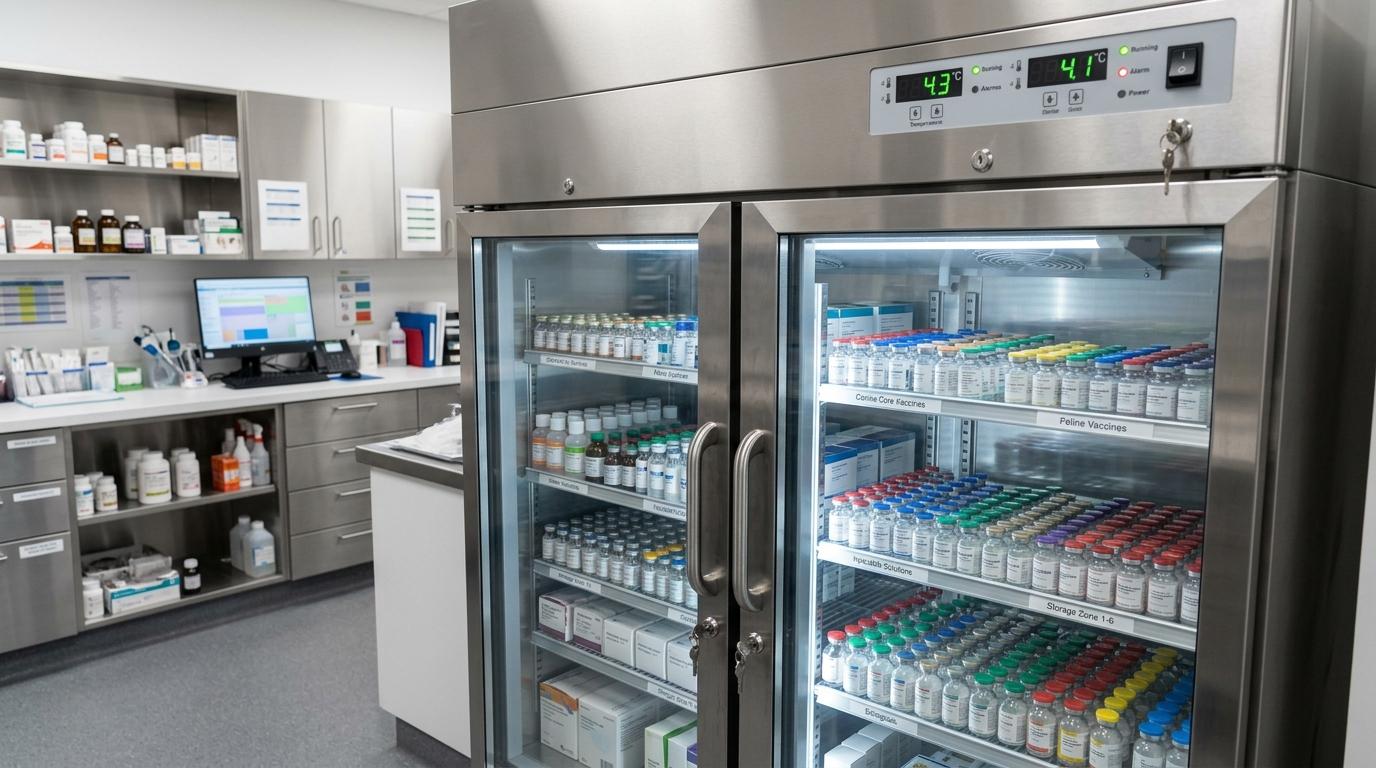
Common veterinary medicine storage mistakes include exposing products to sunlight, storing medicines in overheated rooms, ignoring expiration dates, and mixing pharmaceutical products with chemicals or feed materials.
Over the years, I have noticed that most storage problems are not caused by lack of money.
They are usually caused by lack of awareness.
Common Mistake 1: Direct Sunlight Exposure
Some farms store medicines near windows or outside treatment rooms where sunlight hits products continuously.
Sunlight may accelerate:
- oxidation
- color changes
- ingredient degradation
- packaging damage
Common Mistake 2: No Temperature Monitoring
Many storage rooms become extremely hot during the afternoon.
Without temperature monitoring, farm workers may never realize how high temperatures actually become.
Simple thermometers can help significantly.
Common Mistake 3: Poor Inventory Rotation
Older products should always be used first.
But I often see:
- expired medicines hidden behind new cartons
- damaged labels
- unclear batch records
- mixed products without organization
This creates confusion during emergencies.
Common Mistake 4: Storing Medicines Near Chemicals
Veterinary medicines should never be stored beside:
- pesticides
- fuel
- disinfectant concentrates
- fertilizers
- industrial chemicals
Cross contamination risks become much higher.
Common Mistake 5: Opened Bottles Stored Improperly
After opening injectable bottles, farms sometimes:
- leave needles inside stoppers
- fail to close caps properly
- expose bottles to dust
- reuse contaminated syringes
This increases contamination risks dramatically.
In my experience, organized storage systems usually improve farm professionalism immediately.
How Can Farms Improve Veterinary Medicine Storage?
Short Introduction
Simple routines often improve medicine safety more than expensive equipment.
Snippet Paragraph
Farms can improve veterinary medicine storage by using cool dry rooms, monitoring temperatures, organizing products properly, protecting medicines from sunlight, and training workers on pharmaceutical handling procedures.
The best storage systems are usually simple and consistent.
Not complicated.
Not expensive.
Just disciplined.
Practical Storage Recommendations
| Storage Practice | Benefit |
|---|---|
| Keep products below recommended temperature | Protects stability |
| Avoid direct sunlight | Reduces degradation |
| Organize products by category | Improves workflow |
| Use older stock first | Reduces expiration losses |
| Keep storage rooms clean | Reduces contamination |
| Train workers regularly | Improves handling consistency |
Use Dedicated Storage Areas
Even small farms should separate:
- antibiotics
- disinfectants
- vaccines
- nutritional products
- injectable products
This reduces mistakes significantly.
Monitor Expiration Dates
Expired medicines should never remain mixed with active stock.
I recommend checking:
- labels
- batch numbers
- expiration dates
at least once every month.
Understand Label Instructions
Different products have different storage requirements.
For example:
- some products require protection from light
- some require refrigeration
- some should never freeze
- some are sensitive to humidity
Always follow manufacturer instructions carefully.
Train Farm Workers
Many storage problems happen because workers simply never received proper training.
Good pharmaceutical handling should become part of routine farm education.
Farm Biosecurity and Disease Prevention
How GMP Manufacturing Improves Veterinary Medicine Safety
Why GMP Manufacturing Matters for Product Stability
Short Introduction
Stable manufacturing systems help products remain more reliable during transportation and storage.
Snippet Paragraph
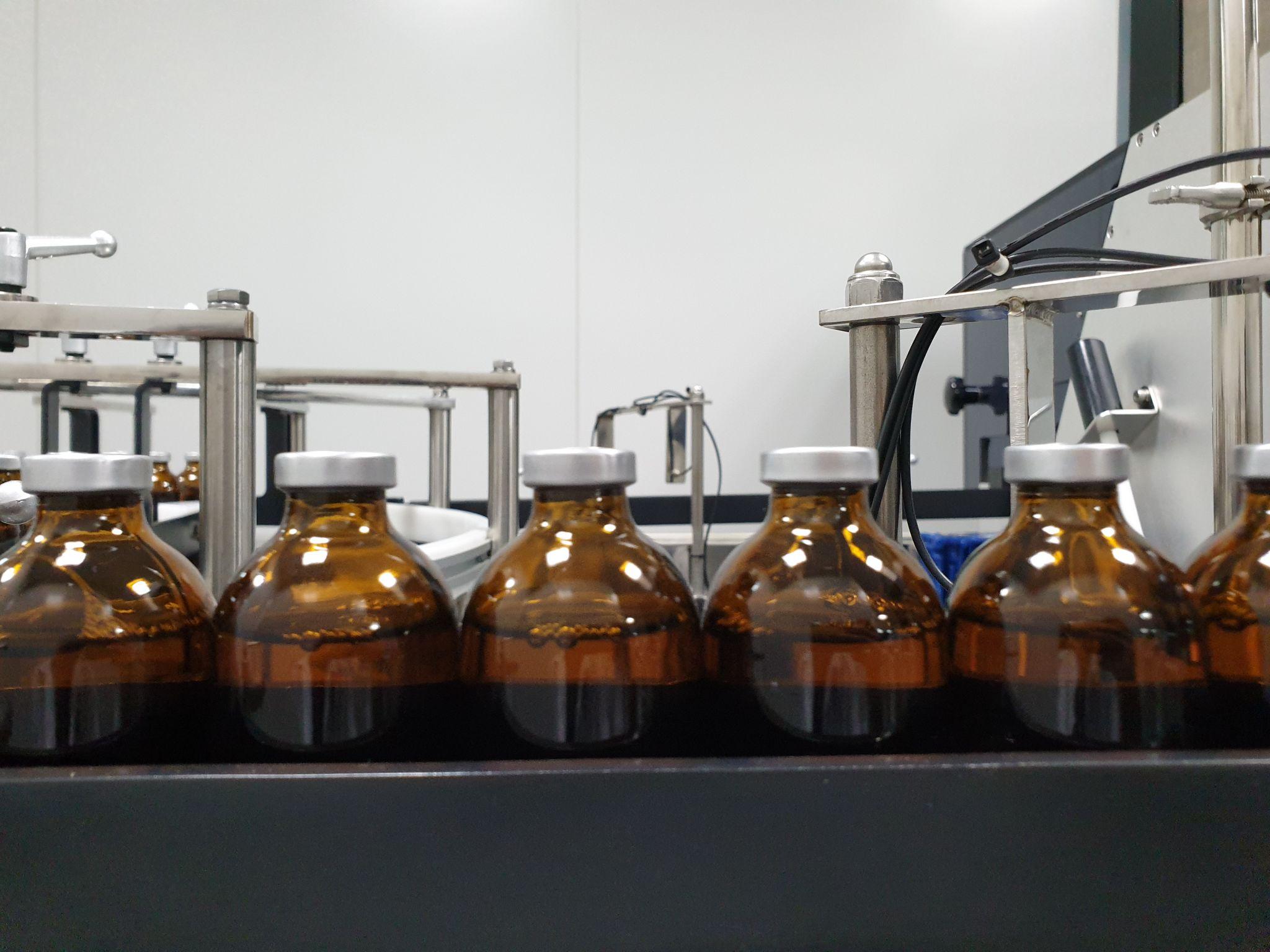
Professional GMP manufacturing helps improve veterinary medicine stability through controlled formulation systems, quality testing, packaging consistency, and proper pharmaceutical production standards.
In export markets, product quality depends on more than active ingredients alone.
Manufacturing systems also matter.
Professional GMP production helps improve:
- formulation consistency
- packaging protection
- suspension stability
- storage reliability
- transportation durability
This becomes especially important for products exported to:
- tropical climates
- remote livestock regions
- long transportation routes
- hot warehouse environments
Good pharmaceutical packaging should protect products from:
- moisture
- excessive light
- contamination
- transportation stress
For example:
- aluminum seals
- quality rubber stoppers
- stable bottle materials
- strong export cartons
all help improve long-term product protection.
Serious veterinary distributors increasingly prefer suppliers with:
- GMP systems
- laboratory testing
- stability control
- professional packaging standards
- export experience
because stable products create fewer farm complaints.
In many developing livestock markets, reliability is more valuable than extremely cheap pricing.
That is something experienced distributors understand very well.
FAQ
Why should veterinary medicines be protected from sunlight?
Sunlight may damage active pharmaceutical ingredients and reduce product stability over time.
What temperature is too hot for veterinary medicines?
Many veterinary medicines should be stored below 25–30°C. Excessive heat may reduce product effectiveness.
Can heat damage injectable suspensions?
Yes. High temperatures may cause injectable suspensions to separate or become unstable.
Why do water soluble powders become hard or clumped?
Humidity and moisture exposure may cause powders to absorb water and form clumps.
Should expired veterinary medicines still be used?
No. Expired medicines may become less effective or unsafe for animal treatment.
Why is GMP manufacturing important for storage stability?
Professional GMP manufacturing improves formulation consistency, packaging protection, and pharmaceutical reliability during transportation and storage.
Related Veterinary Knowledge
- How Withdrawal Periods Affect Meat and Milk Safety
- Common Antibiotic Mistakes on Livestock Farms
- How Heat Stress Affects Cattle Health
Related Veterinary Products
- Oxy 20 LA Injection
- Penstrep 2020 Suspension
- Amox-Genta 190 Suspension
- Tylosin 20 Injection
- Water Soluble Multivitamins
- Farm Disinfectants
Conclusion
Proper veterinary medicine storage protects treatment effectiveness, livestock health, and long-term farm reliability. In hot-climate livestock systems, good storage management is becoming one of the most important parts of responsible veterinary practice.