Best Antibiotics for Livestock Respiratory Infections
Quick Answer
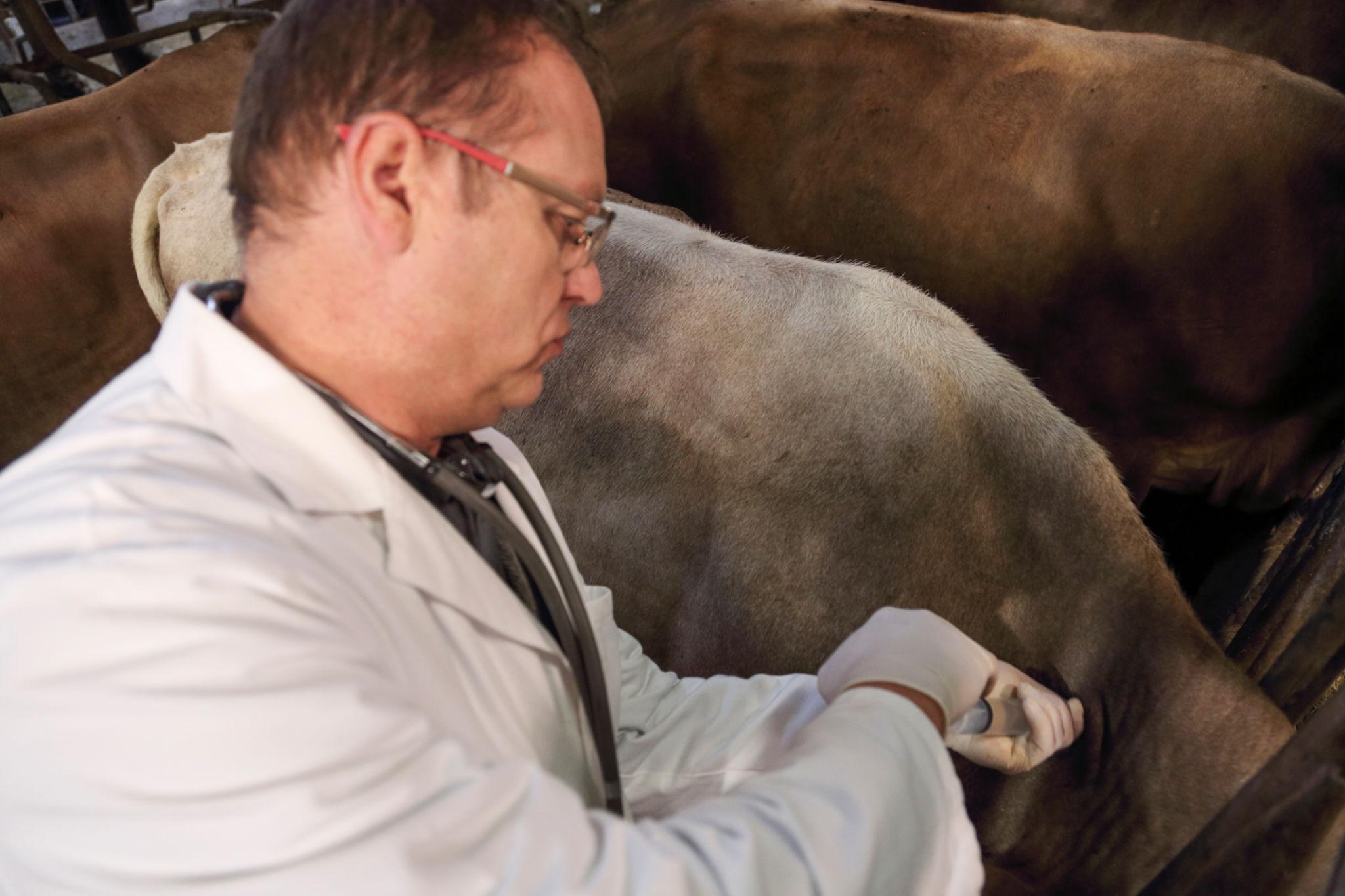
The best antibiotics for livestock respiratory infections depend on the disease severity, environmental stress, and bacterial sensitivity. Oxytetracycline, tylosin, tilmicosin, and penicillin-streptomycin combinations are widely used in cattle, sheep, goats, and camels to help manage respiratory bacterial infections when treatment begins early and farm conditions are properly controlled.
Introduction
Respiratory infections are among the most common health challenges on livestock farms, especially in hot-climate regions where transportation stress, dust, overcrowding, and poor ventilation increase disease pressure. In many African and Middle Eastern farms, respiratory outbreaks can spread rapidly after long-distance transport or sudden weather changes.
Farmers often first notice reduced appetite, coughing, nasal discharge, fever, or animals separating themselves from the herd. In real farm situations, delayed treatment and poor environmental management usually create bigger losses than the infection itself.
Successful respiratory disease control depends not only on antibiotic selection, but also on ventilation, hydration, stress reduction, and stable veterinary product quality.
Why Are Respiratory Infections Common in Livestock Farms?
Respiratory disease often develops when animals face environmental stress and weakened immunity.
Snippet Paragraph
Livestock respiratory infections are commonly caused by stress, poor ventilation, dust exposure, transportation, sudden climate changes, and bacterial spread between animals. Hot-climate farming systems and overcrowded housing conditions significantly increase respiratory disease risks in cattle, sheep, goats, and camels.
In practical livestock management, respiratory disease rarely comes from a single cause. Most outbreaks occur when multiple stress factors affect animals at the same time.
Common farm risk factors include:
- Long-distance transportation
- High daytime temperatures
- Dusty housing environments
- Poor airflow
- Overcrowded pens
- Nutritional stress
- Sudden weather fluctuations
- Weak biosecurity systems
Transportation stress is especially important in export-oriented livestock regions. Animals transported over long distances often arrive dehydrated and weakened, allowing bacteria to spread more easily inside the respiratory system.
On many farms, respiratory outbreaks worsen because treatment begins too late. Farmers may initially ignore mild coughing or reduced feed intake until the infection has already spread through the herd.
Young animals are usually more vulnerable because their immune systems are less stable under stress conditions.
Improving farm ventilation and reducing transport stress are often as important as antibiotic treatment itself.
Related article:
How to Prevent Respiratory Disease During Livestock Transportation

Which Antibiotics Are Commonly Used for Respiratory Infections?
Different antibiotics are selected depending on the bacteria involved and the severity of infection.
Snippet Paragraph
Oxytetracycline, tylosin, tilmicosin, and penicillin-streptomycin suspensions are commonly used to manage livestock respiratory bacterial infections. The most suitable antibiotic depends on disease stage, animal condition, farm management quality, and veterinary guidance.
Several veterinary antibiotics are commonly used in livestock respiratory disease management.
| Product | Common Usage | Typical Application |
|---|---|---|
| Oxytetracycline Injection | Broad respiratory infections | Early-stage bacterial infections |
| Tylosin Injection | Mycoplasma-related respiratory disease | Chronic coughing and respiratory support |
| Tilmicosin Injection | Severe respiratory infections | Long-acting respiratory management |
| PenStrep Suspension | Mixed bacterial infections | Broad-spectrum bacterial coverage |
These products are widely used because respiratory infections on farms often involve mixed bacterial challenges rather than a single pathogen.
Oxytetracycline Injection
Oxytetracycline is commonly used in cattle, sheep, and goats due to its broad-spectrum activity and practical farm application.
Related product:
Oxytetracycline Injection
Tylosin Injection
Tylosin is often selected when respiratory symptoms are associated with chronic coughing or mycoplasma-type infections.
Related product:
Tylosin Injection
Tilmicosin Injection
Tilmicosin is frequently used in severe respiratory outbreaks because of its long-acting properties and strong respiratory tissue distribution.
Related product:
Tilmicosin Injection
PenStrep Suspension
Penicillin-streptomycin combinations remain useful in mixed bacterial respiratory infections where both Gram-positive and Gram-negative bacteria may be involved.
Related product:
PenStrep Suspension
Antibiotics alone are not enough to fully control respiratory disease. Animals also require:
- Clean drinking water
- Reduced stress
- Good nutrition
- Proper airflow
- Early disease isolation
Without improving management conditions, respiratory infections may return repeatedly.
What Mistakes Reduce Respiratory Treatment Success?
Many respiratory treatment failures are caused by farm management problems rather than medicine quality alone.
Snippet Paragraph
Delayed treatment, incorrect dosing, poor injection hygiene, heat-damaged medicines, and overcrowded housing conditions are common reasons why livestock respiratory treatments fail. Proper disease management improves antibiotic effectiveness significantly.
Several practical mistakes frequently reduce treatment success on livestock farms.
Delayed Treatment
Waiting too long before starting treatment allows respiratory infections to spread deeper into lung tissue. Animals with advanced infections often recover more slowly.
Incorrect Dosage
Underdosing is common on many farms attempting to reduce medicine costs. Incomplete dosing may temporarily reduce symptoms but can allow bacteria to survive and spread again later.
Poor Injection Hygiene
Using dirty needles or improper injection techniques increases complications and secondary infections.
Heat-Damaged Medicines
Improper medicine storage is a major hidden problem in hot-climate regions. Veterinary medicines exposed to excessive heat may lose effectiveness during transportation or storage.
Related article:
How to Store Veterinary Medicines in Hot Climates
Poor Ventilation
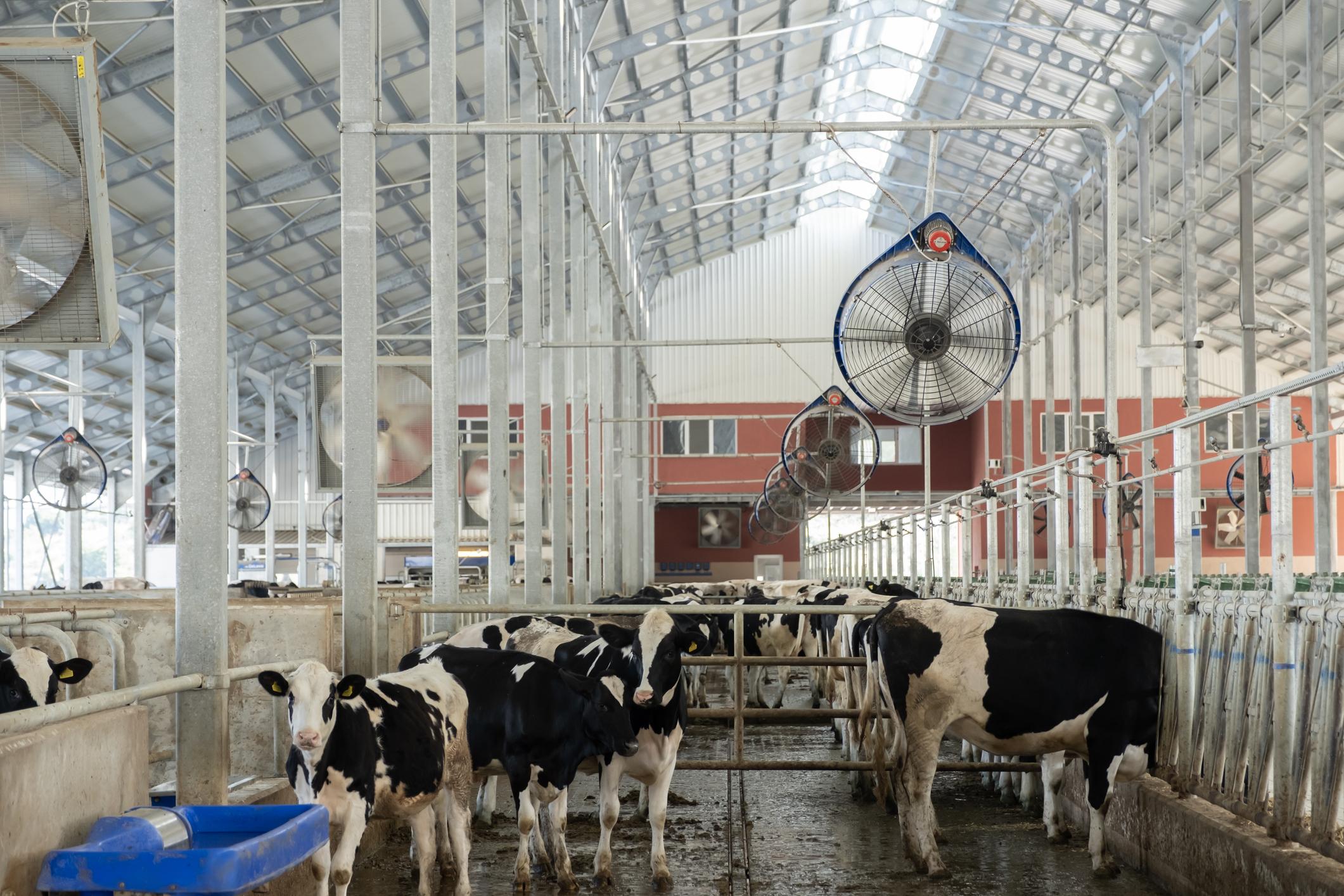
Respiratory bacteria spread faster in humid and overcrowded livestock buildings with limited airflow.
Good treatment success requires:
- Early observation
- Correct dosing
- Proper medicine storage
- Reduced stress
- Clean farm conditions
- Consistent treatment schedules
How Can Farmers Reduce Future Respiratory Disease Risks?
Long-term respiratory prevention is usually more cost-effective than repeated emergency treatment.
Snippet Paragraph
Farmers can reduce livestock respiratory disease risks by improving ventilation, reducing transportation stress, maintaining proper nutrition, isolating sick animals early, and using stable-quality veterinary medicines stored under proper conditions.
Practical farm management improvements often create major long-term health benefits.
Improve Ventilation
Fresh airflow reduces moisture, bacteria, and dust accumulation inside livestock housing.
Reduce Transport Stress
Transportation weakens animal immunity quickly. Avoid overcrowding and excessive heat exposure during movement whenever possible.
Isolate Sick Animals Early
Separating coughing or feverish animals helps reduce disease spread across the herd.
Maintain Stable Nutrition
Respiratory disease becomes more severe when animals face nutritional deficiencies or dehydration.
Use Stable-Quality Veterinary Products
Consistent product quality supports more reliable farm treatment results.
Related article:
Why Stable Veterinary Medicine Quality Matters
Respiratory disease prevention should combine:
- Farm management
- Veterinary guidance
- Biosecurity
- Stress reduction
- Stable medicine storage
Long-term prevention programs usually reduce treatment costs and mortality risks significantly.
FAQ
What causes respiratory infections in livestock?
Respiratory infections are commonly caused by stress, bacteria, poor ventilation, transportation, dust exposure, and sudden weather changes.
Which antibiotic is commonly used for livestock respiratory disease?
Oxytetracycline, tylosin, tilmicosin, and penicillin-streptomycin combinations are commonly used depending on the infection and farm conditions.
Why do respiratory outbreaks spread quickly on farms?
Close animal contact, overcrowding, poor airflow, and delayed treatment allow respiratory bacteria to spread rapidly.
Can hot weather affect veterinary medicine performance?
Yes. Improper storage under high temperatures may reduce veterinary medicine stability and effectiveness.
How can farms reduce respiratory disease problems?
Good ventilation, lower stress, proper nutrition, early isolation, and stable veterinary medicine management help reduce respiratory disease risks.
Related Veterinary Knowledge
- How to Prevent Respiratory Disease During Livestock Transportation
- How to Store Veterinary Medicines in Hot Climates
- Why Stable Veterinary Medicine Quality Matters
Related Veterinary Products
- Oxytetracycline Injection
- Tylosin Injection
- Tilmicosin Injection
- PenStrep Suspension
- Sulfadimidine Sodium Injection
Conclusion
Respiratory infections remain a major challenge in livestock farming across hot-climate and developing markets. Early treatment, proper antibiotic selection, strong farm management, and stable veterinary medicine quality together provide the best long-term respiratory disease control strategy.