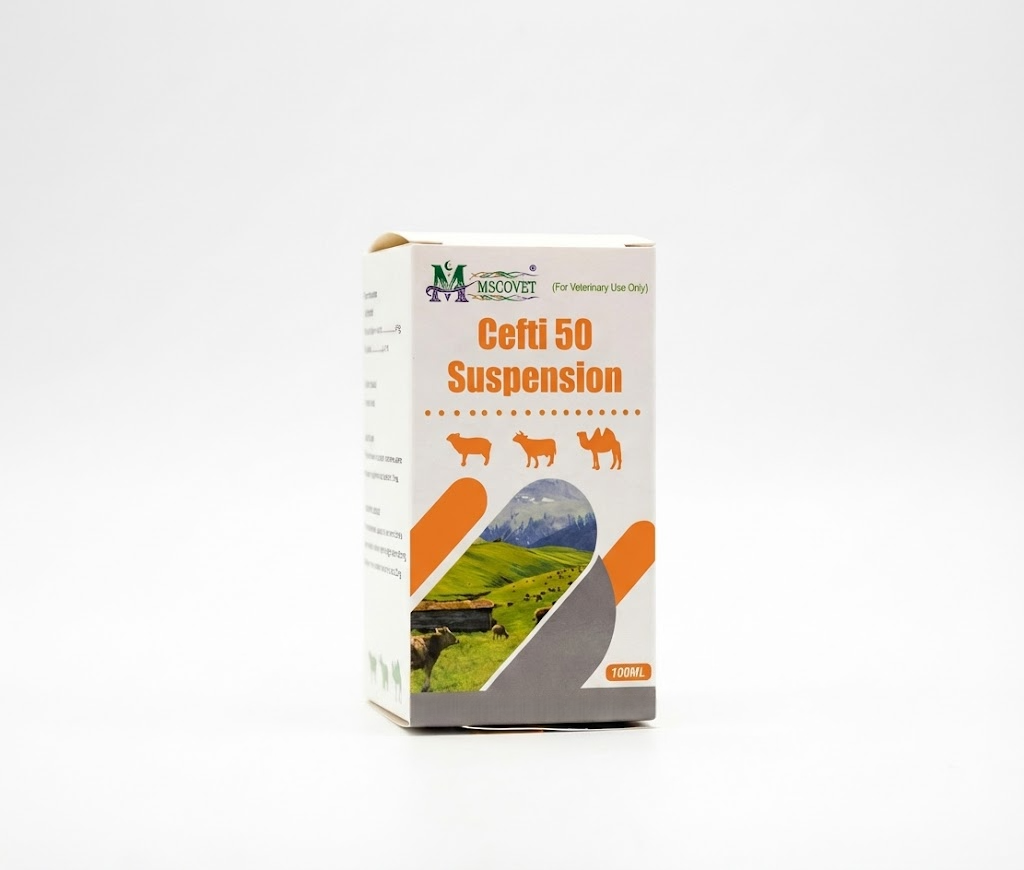
Product Summary
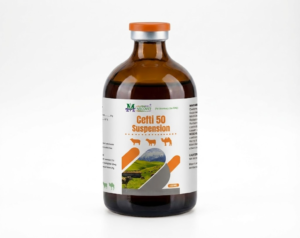
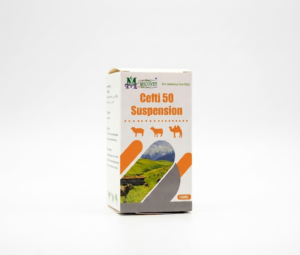
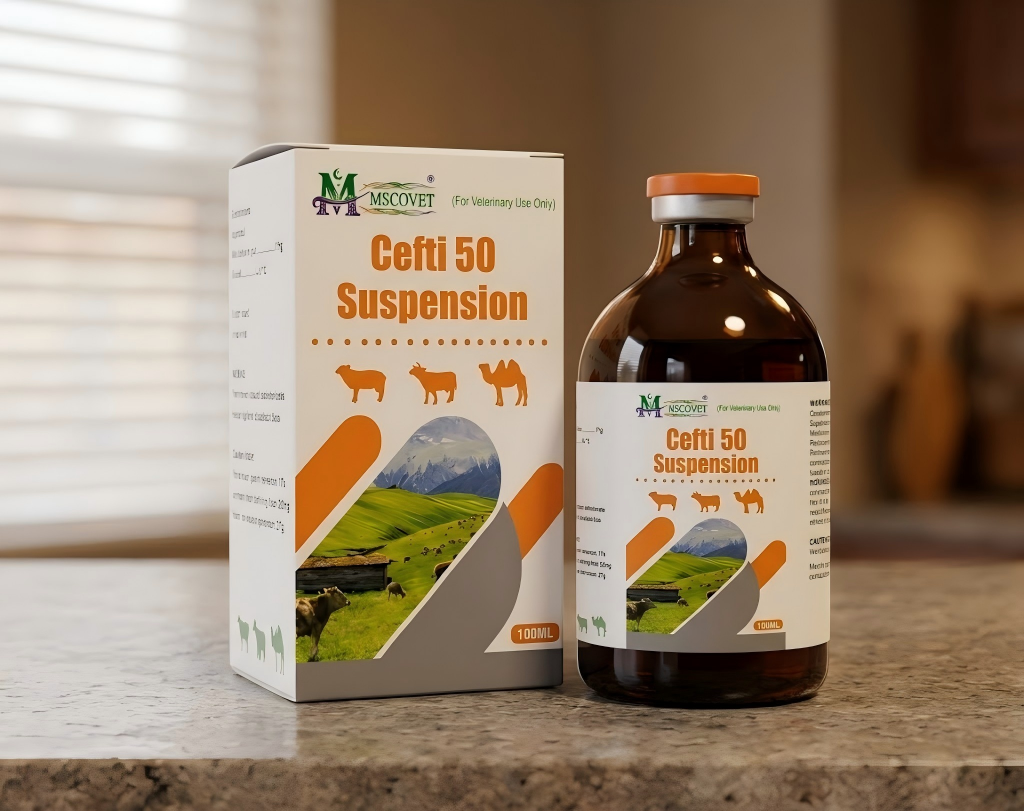
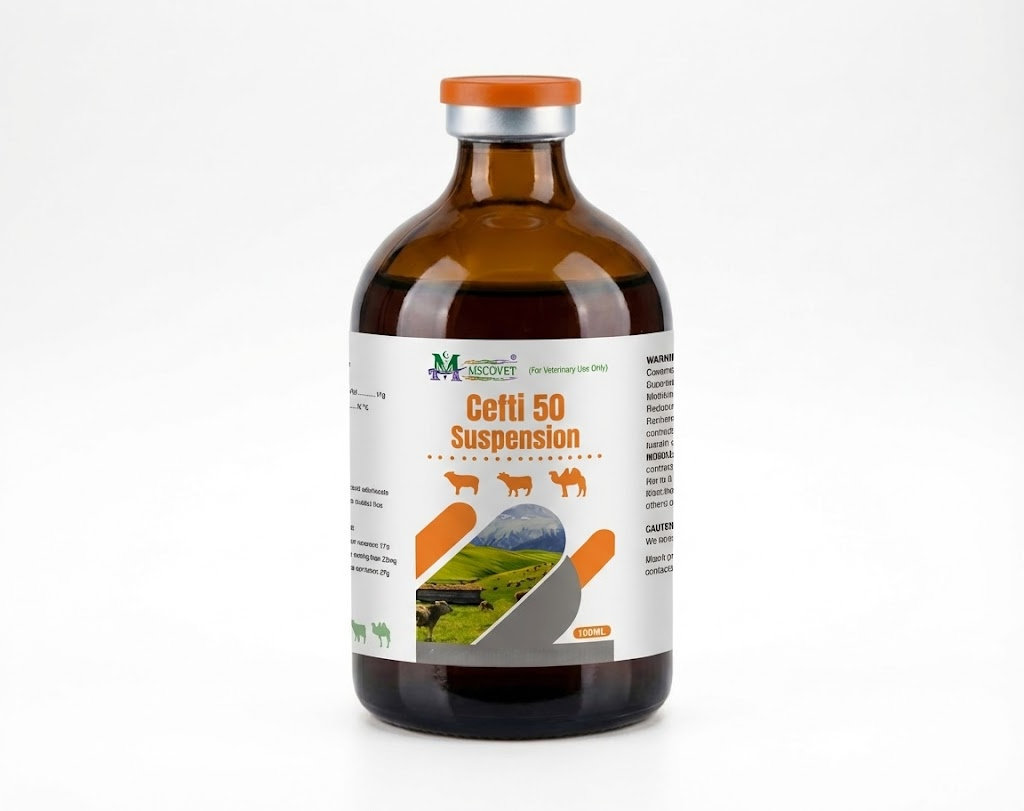
Ceti 50 Suspension is a ceftiofur hydrochloride veterinary antibiotic injection used for the treatment of respiratory, hoof, and reproductive bacterial infections in cattle and swine. It is commonly applied for bovine respiratory disease, foot rot, post-partum metritis, and swine respiratory infections caused by ceftiofur-sensitive bacteria. :contentReference[oaicite:0]{index=0}
Key Benefits
✔ Broad-spectrum cephalosporin antibiotic
✔ Effective against important respiratory pathogens
✔ Commonly used for cattle and swine bacterial infections
✔ Suitable for respiratory disease management programs
✔ Effective for foot rot and post-partum metritis treatment
✔ Stable veterinary suspension formulation
✔ GMP-manufactured export-quality product
✔ OEM / ODM packaging support available
Recommended Usage Scenarios
- Commercial cattle farms
- Dairy farms
- Swine production farms
- Feedlot respiratory disease control
- Foot rot management programs
- Postpartum metritis treatment
- Veterinary distributor supply
- Intensive livestock production systems
Product Details
Composition
Each ml contains:
- Ceftiofur hydrochloride — 50 mg
- Excipients ad — up to 1 ml
Product Description
Ceti 50 Suspension contains ceftiofur hydrochloride, a veterinary cephalosporin antibiotic with broad-spectrum antibacterial activity against important livestock pathogens.
Ceftiofur is commonly used in modern livestock production systems because of its strong activity against respiratory and systemic bacterial infections in cattle and swine.
On many commercial farms, respiratory disease outbreaks are often associated with transportation stress, overcrowding, poor ventilation, sudden weather changes, and weak biosecurity management.
In dairy cattle, reproductive infections after calving may also create serious production losses if not treated quickly and properly.
Ceftiofur products are widely selected for practical livestock disease management because of their effectiveness and short milk withdrawal characteristics.
Target Animals
- Cattle
Indications
Cattle
Used for treatment of:
- Bovine respiratory disease
- Pneumonia
- Acute interdigital necrobacillosis (foot rot)
- Acute post-partum metritis
- Respiratory infections associated with:
- Mannheimia spp.
- Pasteurella multocida
- Haemophilus somnus
Also used for infections associated with:
- Fusobacterium necrophorum
- Bacteroides melaninogenicus
- Escherichia coli
- Trueperella pyogenes
Dosage and Administration
Administration Notes
- Shake well before use
- Use sterile injection equipment
- Administer subsequent injections at different sites
- Neck injection sites are preferred in cattle
Cattle Dosage
Respiratory Disease
- 1 mg ceftiofur/kg body weight/day for 3–5 days
- Equivalent to 1 ml/50 kg body weight
- Subcutaneous injection
Acute Interdigital Necrobacillosis (Foot Rot)
- 1 mg/kg body weight/day for 3 days
- Equivalent to 1 ml/50 kg body weight
- Subcutaneous injection
Acute Post-Partum Metritis
- 1 mg/kg body weight/day for 5 consecutive days
- Equivalent to 1 ml/50 kg body weight
- Subcutaneous injection
Additional supportive therapy may be required in some cases.
Contraindications
Do not use in:
- Animals hypersensitive to ceftiofur
- Animals hypersensitive to β-lactam antibiotics
- Cases with known resistance to ceftiofur
Withdrawal Period
| Product | Withdrawal Time |
|---|---|
| Cattle Meat and Offal | 8 days |
| Milk | Zero hours |
Milk withdrawal advantages are especially important for dairy farm management and continuous milk production systems.
How Withdrawal Periods Affect Meat and Milk Safety
Storage
- Store below 25°C
- Protect from light
In hot-climate livestock markets, proper storage conditions are very important for maintaining veterinary suspension stability and pharmaceutical effectiveness.
How to Store Veterinary Medicines in Hot Climates
Shelf Life
- 2 years
Precautions
- Shake well before use
- Use sterile injection equipment
- Rotate injection sites properly
- Follow withdrawal periods carefully
- Avoid unnecessary antibiotic overuse
- Use only for susceptible bacterial infections
Good farm ventilation, stress reduction, clean water systems, and strong biosecurity management are also important for reducing respiratory disease pressure in livestock operations.
Common Antibiotic Mistakes on Livestock Farms
FAQ
What infections can Ceti 50 Suspension treat?
It is commonly used for respiratory disease, foot rot, and post-partum metritis in cattle, as well as respiratory infections in swine.
Why is ceftiofur commonly used in dairy cattle?
Ceftiofur products are often preferred because some formulations have zero milk withdrawal periods, helping maintain dairy production continuity.
Why should suspension products be shaken before use?
Suspension products may settle during storage. Shaking helps maintain uniform concentration before injection.
Why should injection sites be rotated?
Repeated injections at the same location may increase tissue irritation and reduce absorption quality.
Why are respiratory diseases common on commercial farms?
Transportation stress, overcrowding, poor ventilation, weather changes, and weak biosecurity systems often increase bacterial respiratory disease pressure.
Related Veterinary Knowledge
Related Products
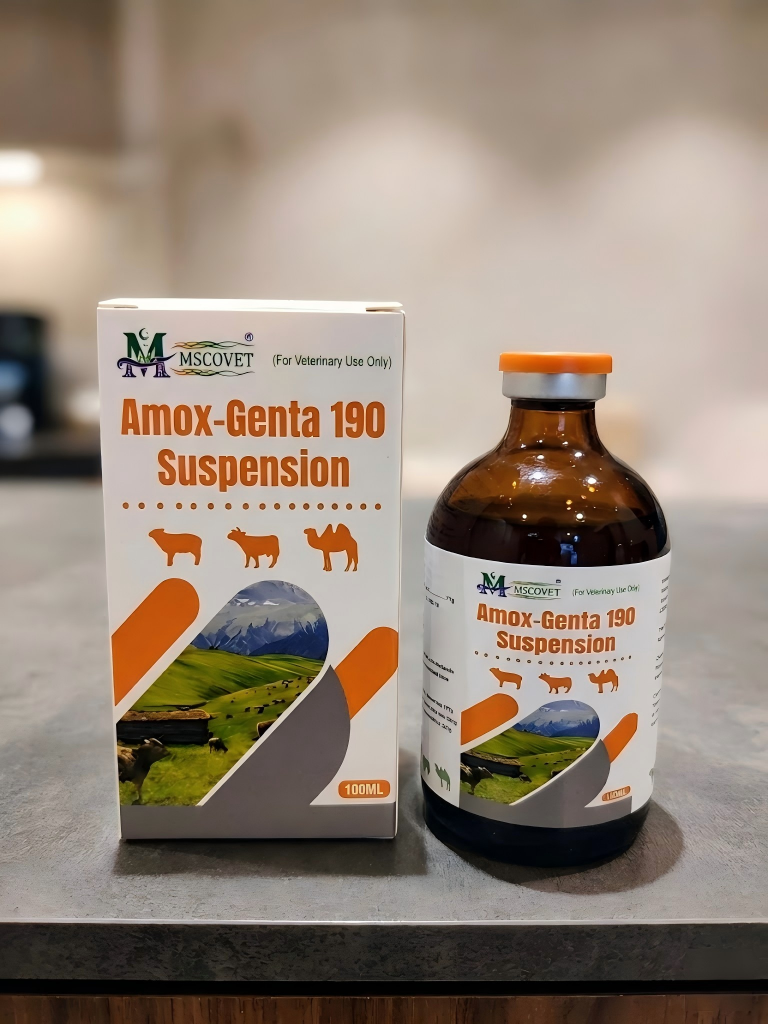
- Amox-Genta 190 Suspension
- Cefquinome Sulfate Suspension 2.5%
- Oxytetracycline 20% LA Injection
- Tylosin 20 Injection
- Penstrep 2020 Suspension