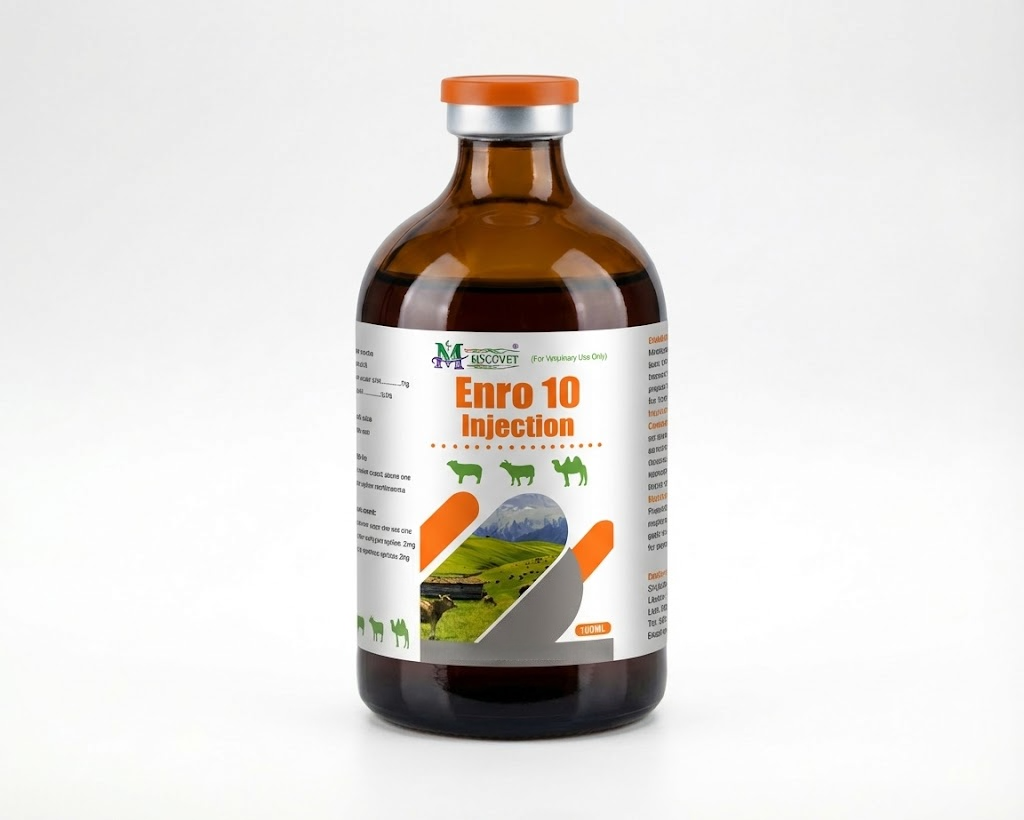
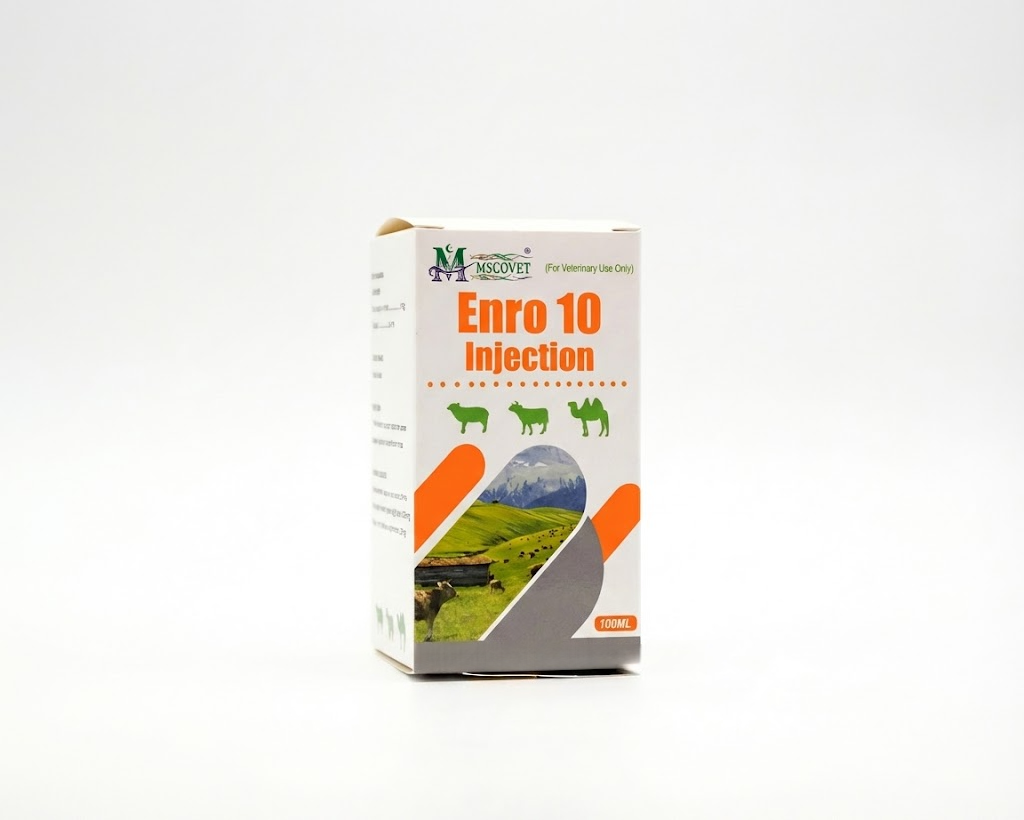
Product Summary
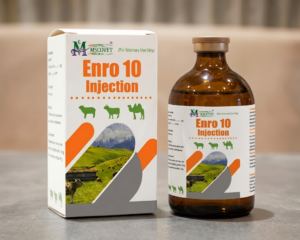
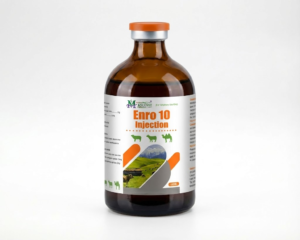
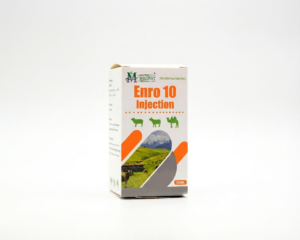
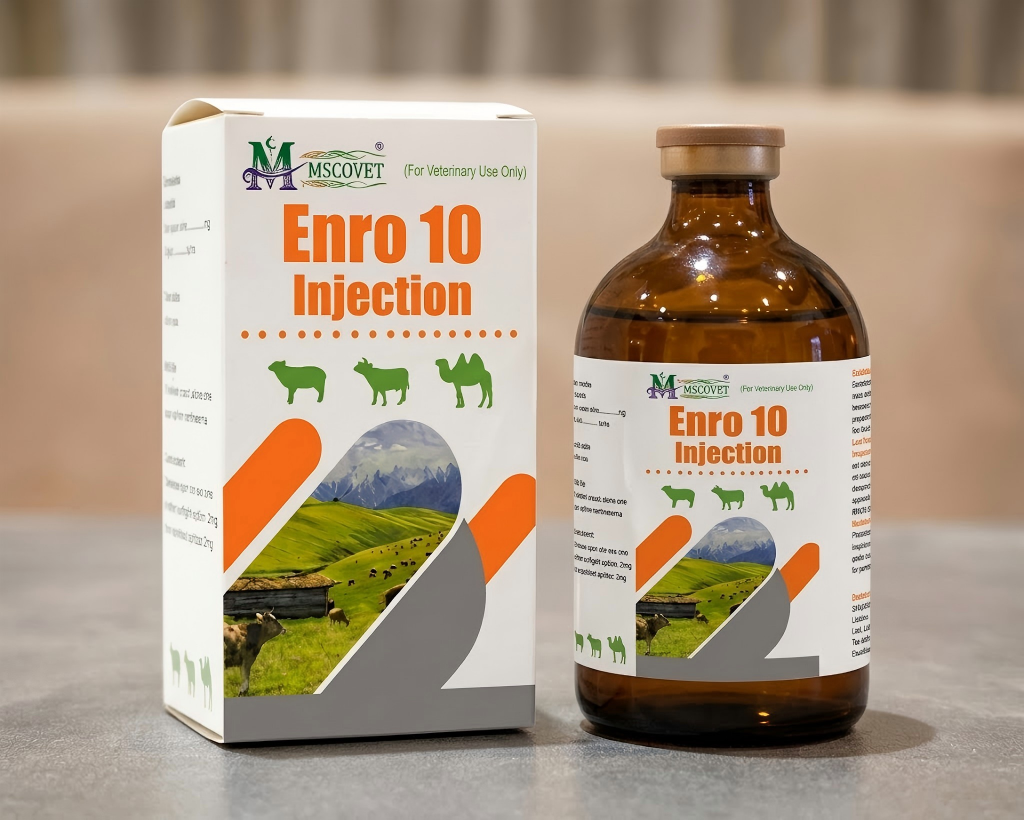
Enro 10 Injection is an enrofloxacin veterinary antibiotic injection used for the treatment of bacterial infections and mixed infections in cattle, sheep, pigs, and poultry. It is commonly applied for respiratory disease, colibacillosis, pasteurellosis, lamb dysentery, fowl cholera, and other bacterial infections sensitive to enrofloxacin. :contentReference[oaicite:0]{index=0}
Key Benefits
✔ Broad-spectrum fluoroquinolone antibiotic
✔ Effective against Gram-negative and Gram-positive bacteria
✔ Commonly used for respiratory and gastrointestinal infections
✔ Suitable for livestock and poultry production systems
✔ Practical option for mixed bacterial infections
✔ Stable veterinary injectable formulation
✔ GMP-manufactured export-quality product
✔ OEM / ODM packaging support available
Recommended Usage Scenarios
- Commercial cattle farms
- Sheep farms
- Poultry farms
- Respiratory disease management programs
- Colibacillosis treatment
- Pasteurellosis control
- Mixed bacterial infection treatment
- Veterinary distributor supply
Product Details
Composition
Each ml contains:
- Enrofloxacin — 100 mg
- Excipients ad — up to 1 ml
Product Description
Enro 10 Injection contains enrofloxacin, a fluoroquinolone-class veterinary antibiotic with broad-spectrum antibacterial activity against a wide range of livestock and poultry pathogens.
Enrofloxacin works by interfering with bacterial DNA replication, helping control susceptible bacterial infections affecting respiratory, gastrointestinal, and systemic health.
On many livestock and poultry farms, respiratory disease outbreaks are often associated with transportation stress, overcrowding, poor ventilation, sudden weather changes, or weak biosecurity systems.
Enrofloxacin products are widely used because of their broad antibacterial activity and practical effectiveness in mixed bacterial infection management.
Target Animals
- Cattle
- Sheep
- Poultry
Indications
Used for infections caused by sensitive bacteria or mixed bacterial infections, including:
- Common scour
- Lamb dysentery
- Pasteurellosis
- White diarrhea
- Colibacillosis
- Fowl cholera
- Chronic respiratory disease
The product is commonly used for respiratory and gastrointestinal bacterial disease management in livestock and poultry production systems.
Dosage and Administration
Administration Route
For intramuscular injection only.
Recommended Dosage
| Animal | Dosage |
|---|---|
| Cattle | 0.1 ml/kg body weight |
| Sheep | 0.1 ml/kg body weight |
| Poultry | 0.1 ml/kg body weight |
Administration Notes
- Use sterile injection equipment
- Follow correct dosage calculations
- Maintain proper injection hygiene procedures
On many farms, early treatment combined with improved ventilation and farm hygiene often helps reduce bacterial disease losses significantly.
Contraindications
Do not use:
- In cases of resistance to other fluoroquinolones
- For prophylactic use
- In animals hypersensitive to enrofloxacin or excipients
Cross-resistance with other fluoroquinolone antibiotics may occur.
Side Effects
Possible side effects may include:
- Local tissue reactions at injection sites
Normal sterile precautions should always be followed during administration.
Withdrawal Period
| Product | Withdrawal Time |
|---|---|
| Cattle | 14 days |
| Sheep | 14 days |
Withdrawal periods should always be respected carefully before animal products enter the food chain.
How Withdrawal Periods Affect Meat and Milk Safety
Storage
- Store below 25°C
- Protect from light
- Store in a cool dry place
- Keep out of reach of children
Proper storage conditions are important for maintaining veterinary antibiotic stability in hot-climate livestock markets.
How to Store Veterinary Medicines in Hot Climates
Precautions
- Use only for susceptible bacterial infections
- Avoid unnecessary antibiotic overuse
- Do not use prophylactically
- Follow proper dosage recommendations
- Respect withdrawal periods carefully
- Use sterile injection equipment
Good ventilation, stress reduction, clean water systems, and farm biosecurity management are also important for reducing bacterial disease outbreaks in livestock and poultry operations.
Common Antibiotic Mistakes on Livestock Farms
FAQ
What infections can Enro 10 Injection treat?
It is commonly used for respiratory, gastrointestinal, and mixed bacterial infections in livestock and poultry.
Why is enrofloxacin commonly used on farms?
Enrofloxacin provides broad-spectrum antibacterial activity against many important livestock and poultry pathogens.
Can this product be used for disease prevention?
No. The product should not be used prophylactically.
Why can injection-site reactions occur?
Intramuscular injections may sometimes cause local tissue irritation if injection hygiene is poor or injection techniques are incorrect.
Why are withdrawal periods important?
Withdrawal periods help prevent antibiotic residues from remaining in meat intended for human consumption.
Related Veterinary Knowledge
Related Products
- Doxycycline Hyclate Injection 10%
- Oxytetracycline 20% LA Injection
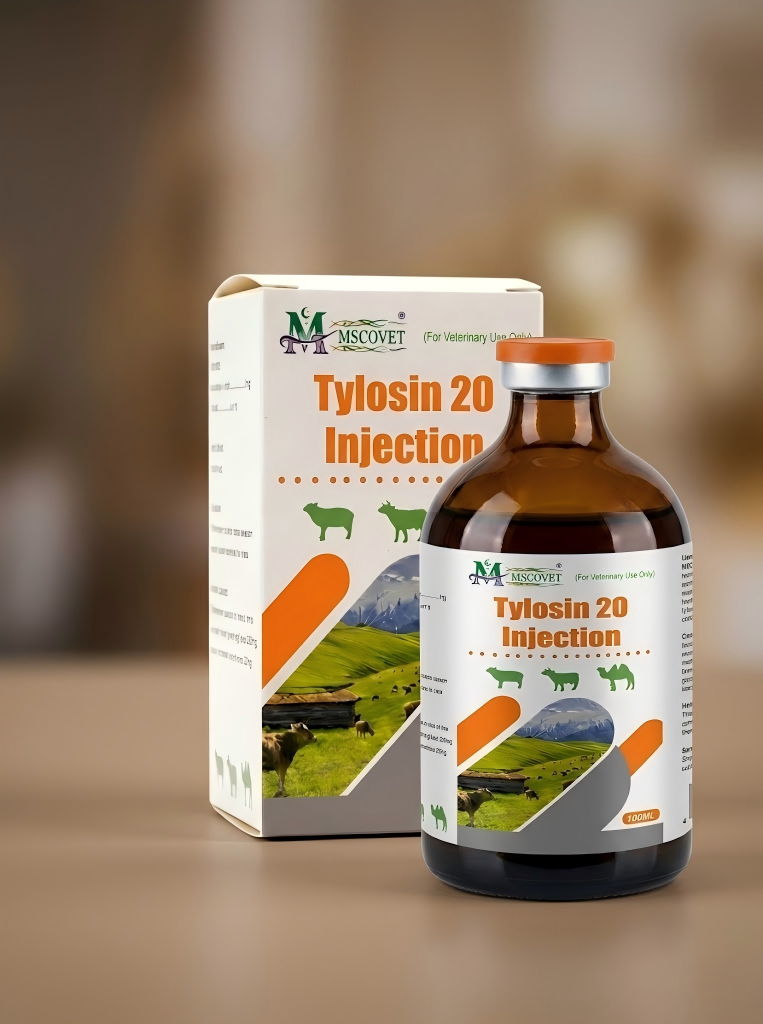
- Tylosin 20 Injection
- Amox-Genta 190 Suspension
- Penstrep 2020 Suspension